Free Shipping over $75 | Ships Out Same-Day | SAVE 30% STOREWIDE, CODE "HALLOWEEN30"
What Is the Limonene Terpene? Aroma, Effects, and Why It Matters in Hemp
Limonene is a naturally occurring, cyclic monoterpene—a fragrant oil—found in the resin glands of cannabis and citrus fruit peels. It is highly sought after in hemp and cannabis for its bright, zesty aroma, mood-elevating properties, and ability to synergize with cannabinoids.
Limonene is the bright, citrus-smelling terpene behind the lemony scent in many hemp and cannabis strains. It is one of the most common terpenes in the plant, and it is the same compound that gives orange and lemon peels their zesty punch.
That familiar aroma is only part of the story. The limonene terpene is also studied for how it shapes the experience of a hemp product, both through its scent and through its possible role in the entourage effect.
At Pure Standard Extracts, we pay close attention to terpenes because they help define how a vape or extract actually feels to use.Contact us today to ask how limonene shapes the feel of a product.
What is the limonene terpene?
Limonene is a terpene, one of the aromatic compounds plants produce to create scent and flavor. It is what your nose picks up when you scratch a fresh orange peel or crush a sprig of mint, and it shows up in cannabis and hemp in meaningful amounts.
In the plant world, terpenes do real work. They help deter pests, attract pollinators, and protect the plant. In hemp, they shape the aroma and character of each strain alongside the cannabinoids.
There are hundreds of terpenes in nature, and a single hemp strain can carry dozens at once. Limonene is one of the headliners in that mix, often sitting near the top of a strain’s terpene profile and lending its citrus signature to the overall scent.
What makes limonene stand out is how recognizable it is. According to Leafly, it is among the most common terpenes in cannabis, and it carries one of the easiest scents to identify because most people already know it from citrus fruit.
What does limonene smell and taste like, and where is it found?
The signature of limonene is bright, zesty, and unmistakably citrus. Think fresh-cut lemon or orange rind, sometimes with a sweeter edge depending on the strain or the source.
Outside of cannabis, limonene is everywhere. It is concentrated in the peels of oranges, lemons, limes, and grapefruit, which are among the richest natural sources. It also appears in mint, rosemary, juniper, and fennel. You have likely encountered it in cleaning products, cosmetics, and food flavoring, where it is widely used for its clean citrus note.
In hemp and cannabis, the amount varies by cultivar. Industry data points to a typical range of roughly 0.1% to 2% of a strain’s dry weight, with terpene-forward cultivars sometimes pushing past 1% and delivering a more pronounced citrus aroma.
That variability is one reason two products can smell and feel noticeably different even when their cannabinoid content looks similar. Growing conditions, harvest timing, and how the extract is processed all influence how much limonene survives into the finished product, which is why the same strain name does not always smell identical from one batch to the next.
What are the reported effects of limonene?
Limonene is one of the more talked-about terpenes for mood and feel. The research is still developing, so the points below are best read as studied possibilities and commonly reported experiences, not promises.
Mood and everyday stress
Limonene is most often associated with an uplifting, refreshing quality. Leafly notes that limonene-rich strains are popular among people looking for a brighter, more energetic experience rather than a heavy, sedating one.
Preclinical research offers a possible explanation for the interest. Some studies suggest limonene may influence neurotransmitter pathways tied to mood, such as serotonin and dopamine signaling, though this work is early and largely outside of human trials.
Much of this evidence comes from animal and lab models rather than large human studies, so the picture is far from complete. We frame limonene as a possible contributor to a lighter, more positive feel, not a treatment for any condition, and we let the research catch up before making bigger claims.
The 2024 limonene and THC study
One of the most cited recent findings comes from a 2024 Johns Hopkins University-led study published in the journal Drug and Alcohol Dependence. In it, healthy adults who inhaled vaporized D-limonene alongside THC reported significantly less anxiety and paranoia than those who took THC on its own.
The effect was dose-dependent, meaning more limonene was linked to a stronger calming effect against THC-induced anxiety. Researchers described it as clinical evidence that limonene can shape the THC experience, which is a notable result in a field where most terpene claims rest on preclinical or anecdotal data.
Limonene and the entourage effect
Limonene is also a frequent example in talk about the entourage effect, the idea that terpenes and cannabinoids work together rather than in isolation. The theory suggests the whole mix shapes the experience more than any single compound does alone.
The 2024 THC study is part of why limonene comes up so often here, since it offers measurable evidence of a terpene adjusting how a cannabinoid feels. This area is still being studied, so we treat the entourage effect as a promising framework rather than settled science, and we let the research lead.
Why does limonene matter in hemp products?
For a hemp shopper, limonene is more than a pleasant smell. It is a signal about the character of a product and a clue to how the experience might feel, which is why terpene content is worth reading alongside the cannabinoid label.
Where limonene shows up in our lineup
Limonene appears in hemp products in two main ways. It can be naturally present in strain-specific extracts, or it can be reintroduced into a formula to rebuild the aroma and character that processing can strip away.
You will most often notice it in vapes and carts with a citrus-forward profile, though it also turns up in gummies and tinctures. If you want to explore citrus and other terpene profiles across formats, browseour cannabinoid lineup and compare what each product lists.
A citrus aroma on the label is a good first clue, but the terpene content tells the fuller story. Two products can both smell lemony while carrying very different terpene amounts, so the listed profile matters more than the marketing scent name alone.
Why vaping temperature matters
Terpenes are delicate, and limonene is no exception. According to Leafly, limonene has a boiling point around 350 degrees Fahrenheit, so very high heat can burn off the aroma before you get to enjoy it.
Lower, steadier temperatures tend to preserve the citrus note and the terpene character of a vape. That is one reason a quality disposable or cartridge with a sensible heat range can make the terpene experience noticeably better.
If your device offers adjustable settings, starting on the lower end helps protect the more delicate terpenes before you turn the heat up. The trade-off is real, since hotter draws can feel stronger but often sacrifice the very flavor and aroma that drew you to a citrus product in the first place.
How to read a terpene profile
The most reliable way to know what is in a product is the lab paperwork, not the marketing copy. A certificate of analysis lists the terpene breakdown alongside the cannabinoids, so you can confirm a citrus claim instead of guessing.
We publishour third-party lab reports for exactly that reason. Checking the terpene content before you buy is the simplest way to match a product to the aroma and feel you are after.
Third-party testing also confirms the product is clean and accurately labeled, which matters in a market where quality varies. A quick look at the report tells you the limonene level, the cannabinoid content, and that an independent lab signed off, so you are buying on facts rather than packaging.
Where limonene shows up at a glance
The table below sums up where you will run into limonene, what it smells like, and what people commonly report from it.
Limonene is an easy terpene to enjoy, both for its fresh citrus aroma and for the lighter, brighter character many people report from it. The best first step is to pick a product with a clear terpene profile and a lab report to back it up.
If you want help matching a citrus-forward vape or extract to what you are after, at Pure Standard Extracts we are glad to walk you through the options. Call us todayto find a citrus-forward product you will like.
Disclaimer: These statements have not been evaluated by the Food and Drug Administration. This product is not intended to diagnose, treat, cure, or prevent any disease. For adults 21 and older. Individual results vary. Consult your healthcare provider before use, especially if you are pregnant, nursing, or taking medication.
Frequently Asked Questions
What is the limonene terpene?
Limonene is an aromatic terpene found in cannabis, hemp, and citrus fruit peels. It is one of the most common terpenes in the plant and is responsible for a bright, lemony scent. Beyond aroma, it is studied for how it may shape the feel of a product and for its possible role in the entourage effect.
What does limonene smell like?
Limonene smells bright, zesty, and distinctly citrus, much like fresh-cut lemon or orange rind. Some strains carry a sweeter edge, while others lean sharper and more sour. Because most people recognize the scent from everyday citrus fruit, it is one of the easiest terpenes to identify by nose alone.
What are the effects of limonene?
Limonene is most often linked to an uplifting, refreshing quality rather than a heavy or sedating one. Early and preclinical research suggests it may influence mood-related pathways, and a 2024 study found it reduced THC-induced anxiety. The evidence is still developing, so these are studied possibilities, not guaranteed outcomes.
Is limonene good for anxiety?
Limonene shows early promise for anxiety, but the evidence is limited. A 2024 Johns Hopkins Medicine-led study found that inhaling vaporized D-limonene alongside THC reduced feelings of anxiety and paranoia compared with THC alone, in a dose-dependent way. That said, limonene is not a treatment for anxiety, and anyone with ongoing concerns should speak with a licensed professional.
What strains are high in limonene?
Several well-known cultivars are prized for their citrus terpene profiles. Strains such as Super Lemon Haze, Tangie, and Clementine are commonly cited as limonene-forward, with bright lemon and orange aromas. Terpene content varies by grower and batch, so checking a product’s lab report is the surest way to confirm a high-limonene profile.
Is limonene safe to consume?
Limonene is widely used in food flavoring, cosmetics, and cleaning products, and is generally regarded as safe in the small amounts found in those everyday items. In hemp products, it appears as a natural plant compound at low concentrations. As with any new product, start low, see how you feel, and check with your provider if you have allergies or take medication.
Does limonene get you high?
No, limonene on its own is not intoxicating and will not get you high. The terpene contributes aroma and may influence the overall feel of a product, but the buzz from our vapes comes from intoxicating cannabinoids like Delta-8, THC-P, and HHC, which are for adults 21 and older. Limonene simply shapes the citrus character of that experience.
What foods contain limonene?
Limonene is most concentrated in the peels of citrus fruit, including oranges, lemons, limes, and grapefruit. It also appears in herbs like mint, rosemary, and fennel, as well as in juniper. Because it is so common in citrus, you encounter limonene any time you zest a lemon or peel an orange.
Key Takeaways Cordyceps is a functional mushroom with a long-standing reputation for supporting energy and stamina. Many people use it before activity, although the research is still developing and it should not be treated as a sure thing. It may help some people, and that is as far as anyone
Key Takeaways Reishi is a functional mushroom with a long history in traditional wellness, where it is most often associated with calm and rest. Research is still developing, so it is best understood as a traditional ingredient and not as a treatment for anything. Reishi is most commonly associated with
Key Takeaways There is no single amount of Amanita muscaria that is safe for everyone, because products, extracts and people all differ. The careful approach is to follow the label on a lab-tested product, begin with the smallest serving and give it plenty of time. We will not give you

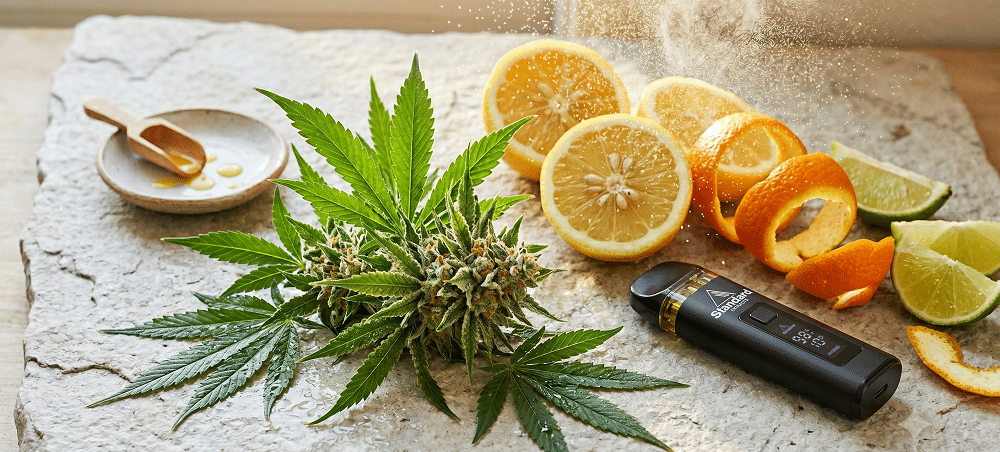
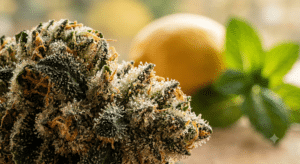 Outside of cannabis, limonene is everywhere. It is concentrated in the peels of oranges, lemons, limes, and grapefruit, which are among the richest natural sources. It also appears in mint, rosemary, juniper, and fennel. You have likely encountered it in cleaning products, cosmetics, and food flavoring, where it is widely used for its clean citrus note.
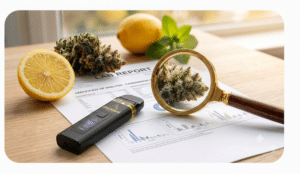 Limonene appears in hemp products in two main ways. It can be naturally present in strain-specific extracts, or it can be reintroduced into a formula to rebuild the aroma and character that processing can strip away.