Free Shipping over $75 | Ships Out Same-Day | SAVE 30% STOREWIDE, CODE "HALLOWEEN30"
Liquid Live Resin vs Live Rosin: What’s the Difference?
Both Liquid Live Resin and Live Rosin are premium, highly aromatic cannabis concentrates made from flash-frozen fresh flower to preserve the plant’s natural terpenes. The main difference is how they are extracted: Live Resin uses chemical solvents (like butane), while Live Rosin uses only gentle heat and pressure.
Liquid live resin and live rosin sound almost identical, and that one swapped vowel hides a real difference in how each is made. One uses a solvent to pull the good stuff out of the plant, and the other uses nothing but heat and pressure.
In any liquid live resin vs. live rosin comparison, that single distinction shapes the flavor, the texture, the price, and even which products each one shows up in. Knowing it makes the label on a vape or a gummy far easier to read.
At Pure Standard Extracts, we break down both extracts in plain English, from the extraction step to the experience in your hand. Contact us today to ask which of our products uses live resin or live rosin.
What Liquid Live Resin and Live Rosin Actually Are
Both extracts start from the same place: fresh cannabis or hemp flower that is flash-frozen right after harvest instead of dried and cured. That “live” step locks in the terpenes that give each plant its smell and character. Where they split is the method used to get those compounds out.
What liquid live resin is
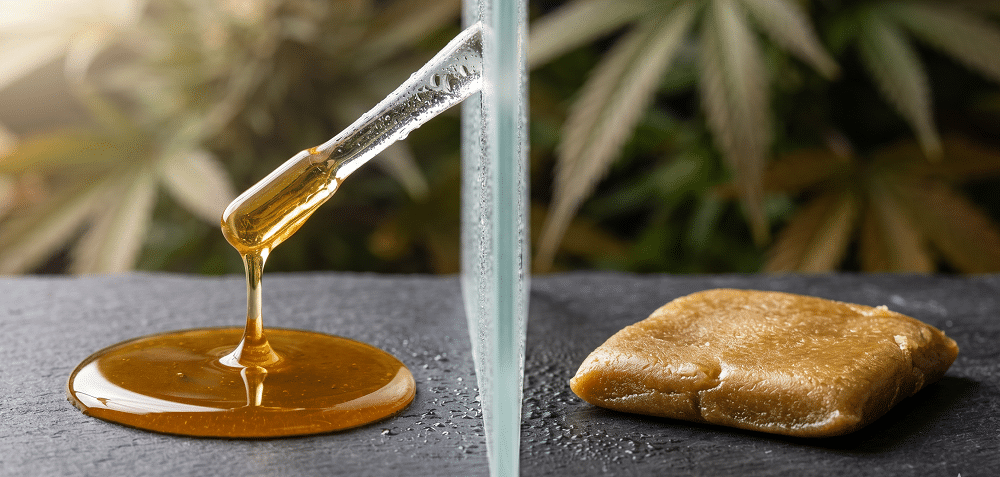
Liquid live resin is a pourable, terpene-rich oil made by passing a light solvent through frozen plant material. According to extraction guides from Weedmaps and Vaping360, the solvent dissolves cannabinoids and terpenes together, then gets purged out before the oil is sold.
The result is a flowable concentrate that fills vape hardware easily and carries a bold, plant-true flavor. That pourable texture is exactly why the “liquid” form is so common in disposables and carts.
In the hemp market, you will often see it paired with cannabinoids like Delta-8, HHC, or THC-P, which add the intoxicating side of the experience. The extract supplies the flavor and the terpenes, while those cannabinoids supply the buzz.
What live rosin is
Live rosin is a solventless concentrate. Makers wash frozen flower in ice water to collect trichomes, dry that hash, and then press it with heat and pressure to squeeze out the oils, as described by Root Sciences and Luna Tech.
No chemical solvent ever touches the material at any stage. That clean, mechanical process is the whole appeal for buyers who want the plant and nothing else.
Because rosin holds onto a broad mix of natural cannabinoids and terpenes, it is often described as full-spectrum. That richness is part of why it tends to land in premium gummies and edibles rather than budget products.
Why “live” matters for both
The word “live” is the part these two share. It signals that the starting flower was frozen fresh, not dried, so the most delicate terpenes survive the process.
Drying and curing tend to burn off some of those aromatic compounds over time. Starting from frozen flowers is how both extracts keep that vivid, just-harvested character that fans look for.
So when you see “live” on either label, it points to the freezing step, not the extraction method. The split between solvent and solventless happens after that, and it is the part that actually sets the two apart.
How Each One Is Made
The making is where the two truly part ways, and it explains almost everything else about them. One relies on chemistry, the other on pure mechanics. Both can produce a clean, lab-tested product when done right.
Solvent extraction for liquid live resin
Liquid live resin is made by running a light hydrocarbon solvent, usually a butane and propane mix, through the frozen plant. The solvent strips out cannabinoids and terpenes, and then technicians purge it off in a vacuum oven so the finished oil is solvent-free.
Industry sources like Weedmaps note this method is efficient and great at capturing a full, flavorful terpene profile. The trade-off is that it depends on careful purging and lab testing to confirm no residue remains. Done properly, the finished oil carries no meaningful solvent, which is why a residual-solvent panel on the lab report matters so much for these products.
Solventless pressing for live rosin
Live rosin skips solvents entirely. After the ice-water hash is dried, it goes between heated plates and gets pressed under steady, high pressure for a short time, with the oils flowing out almost instantly.
Because there is nothing to purge, many buyers see it as the purest route to a concentrate. The catch is yield: the same batch of flower produces far less rosin than resin, which we will return to in the price section.
Solvent-free versus solventless
These two terms get mixed up constantly, and the difference is worth knowing. “Solvent-free” means a solvent was used, then fully removed, which describes liquid live resin.
“Solventless” means no solvent was ever involved, which describes live rosin. Reputable products in both camps publish lab reports, so you can check the testing rather than guess from the name.
A residual-solvent panel on the certificate of analysis confirms a liquid live resin product was purged properly. That document, not the marketing, is what tells you the extract was made and handled responsibly.
Liquid Live Resin vs Live Rosin Compared
Here is the head-to-head, side by side, so the trade-offs are easy to scan. Keep in mind that flavor preferences are personal, and the price and yield figures below reflect commonly reported industry ranges rather than fixed numbers.
Attribute
Liquid Live Resin
Live Rosin
How it’s made
Light solvent (butane/propane) through frozen flower, then purged
Ice-water hash pressed with heat and pressure, no solvent
Solvent vs solventless
Solvent-free (solvent used, then removed)
Solventless (no solvent ever used)
Consistency & best use
Pourable oil; common in vapes, disposables, and some gummies
Thicker concentrate; common in premium gummies and edibles
Flavor
Bold, intense, plant-true terpene profile
Clean and full-spectrum; many describe it as more natural
Price
More budget-friendly per gram
Often costs more, reflecting lower yield
Neither column is the universal winner, and that is the honest takeaway. The right pick depends on what you value most, which is what the next section sorts out.
Which One Fits Your Routine
The best extract for you comes down to format, flavor, and budget. Both can be excellent when they are made carefully and tested, so the choice is about fit rather than one being broadly better. Here is how each tends to land for everyday use.
Better for vapes and disposables
Liquid live resin is the natural match for vaping. Its pourable, oil-like texture loads cleanly into disposables and carts, and the solvent process is good at preserving a punchy terpene flavor that comes through on the inhale.
If you want something grab-and-go with bold taste, this is usually the form you will see. The flowable texture also means less clogging and a smoother draw than a thicker concentrate would give in the same device. You can browse our vape lineup to see how live resin shows up in finished hardware.
Better for gummies and edibles
Live rosin shines in edibles, where its full-spectrum, solventless character is the selling point. Because it keeps a broad mix of natural cannabinoids and terpenes, many edible fans seek it out for a rounder, plant-forward experience.
One honest note: that natural profile can carry a slightly earthy or “hashy” taste into a gummy, which makers balance with added flavor. Batch-to-batch results can also vary more than a distillate product, since the rosin reflects the specific flower it came from. You can compare formats across our edibles lineup to find what suits you.
How to read the lab report
For both extracts, the lab report tells the real story. A residual-solvent panel on a liquid live resin product confirms the solvent was fully purged, while a clean panel on rosin simply reflects that none was used.
A good report also lists the cannabinoid breakdown and the terpene content, so you can see exactly what is in the extract. That is far more useful than a flashy “live” or “full-spectrum” label on its own. We publish testing on our products so you can verify potency and purity before you buy, not after.
Where to Start with Liquid Live Resin and Live Rosin
If bold flavor and easy vaping top your list, liquid live resin is a smart starting point, while a solventless edible experience points you toward live rosin. At Pure Standard Extracts, we carry lab-tested options in both camps, so you do not have to commit to one forever and can match the format to the day.
Still weighing the two, or wondering which of our products uses which extract? Our team is glad to walk you through it. Call us today to get a straight answer before you order.
Disclaimer: These statements have not been evaluated by the Food and Drug Administration. This product is not intended to diagnose, treat, cure, or prevent any disease. For adults 21 and older. Individual results vary. Consult your healthcare provider before use, especially if you are pregnant, nursing, or taking medication.
Frequently Asked Questions
What is liquid live resin?
Liquid live resin is a pourable, terpene-rich cannabis or hemp oil made by passing a light solvent through fresh-frozen flower, then purging that solvent off. The “live” part means the flower was frozen fresh to preserve delicate terpenes. Its flowable texture makes it a common choice for vape disposables and cartridges.
Is liquid live resin the same as live rosin?
No, they are different extracts despite the similar names. Liquid live resin is made with a light solvent that is later removed, while live rosin is solventless and made only with heat and pressure on ice-water hash. That single difference in method shapes their texture, flavor, price, and the products each one tends to appear in.
Is live rosin better than liquid live resin?
Neither is universally better, and the right pick depends on what you want. Live rosin appeals to buyers who prize a solventless, full-spectrum profile and often pay more for it. Liquid live resin tends to be more budget-friendly with a bold, vape-friendly flavor, so quality matters more than the category itself.
Is liquid live resin solvent or solventless?
Liquid live resin is made with a solvent, usually a light butane and propane mix, which is then purged out before sale. That makes the finished product solvent-free, meaning a solvent was used and fully removed. It is not solventless, a term reserved for extracts like live rosin that never touch a solvent.
Why is live rosin more expensive?
Live rosin usually costs more because its solventless process yields far less finished concentrate from the same amount of flower. Industry sources note that a given batch produces only a small fraction of the rosin that solvent methods would produce. That lower yield, plus the careful hash-washing, drying, and pressing involved, is reflected in the price you pay at checkout.
Does liquid live resin get you high?
If the product contains intoxicating cannabinoids like Delta-8, THC-P, or HHC, then yes, it can produce a noticeable buzz, and those products are for adults 21 and older. The extraction method itself does not decide that; the cannabinoids in the formula do. Always check the label and start low to see how you feel.
Which is stronger, live resin or live rosin?
Potency depends on the specific product and its cannabinoid content, not simply on resin versus rosin. Solvent extracts can concentrate cannabinoids efficiently, while solventless rosin keeps a broader full-spectrum mix that some users find more rounded. The certificate of analysis is the only reliable way to compare strength between two products.
Can you put live rosin in a vape?
Yes, live rosin can be formulated into vape products, though its thicker, solventless nature means it is often processed into a dedicated rosin vape rather than used raw. Liquid live resin is generally easier to load into standard disposables and carts because it pours more readily into the hardware. Checking the product description tells you which extract a given vape actually uses.
Key Takeaways Cordyceps is a functional mushroom with a long-standing reputation for supporting energy and stamina. Many people use it before activity, although the research is still developing and it should not be treated as a sure thing. It may help some people, and that is as far as anyone
Key Takeaways Reishi is a functional mushroom with a long history in traditional wellness, where it is most often associated with calm and rest. Research is still developing, so it is best understood as a traditional ingredient and not as a treatment for anything. Reishi is most commonly associated with
Key Takeaways There is no single amount of Amanita muscaria that is safe for everyone, because products, extracts and people all differ. The careful approach is to follow the label on a lab-tested product, begin with the smallest serving and give it plenty of time. We will not give you

 Live rosin is a solventless concentrate. Makers wash frozen flower in ice water to collect trichomes, dry that hash, and then press it with heat and pressure to squeeze out the oils, as described by Root Sciences and Luna Tech.
 Live rosin shines in edibles, where its full-spectrum, solventless character is the selling point. Because it keeps a broad mix of natural cannabinoids and terpenes, many edible fans seek it out for a rounder, plant-forward experience.