Free Shipping over $75 | Ships Out Same-Day | SAVE 30% STOREWIDE, CODE "HALLOWEEN30"
Cured Resin vs Live Rosin: What Sets These Concentrates Apart?
Cured resin and live rosin are two of the most discussed hemp concentrates on the market, but the differences between them go far deeper than their names. Cured resin is produced from dried plant material using solvents, while live rosin uses fresh-frozen hemp and a completely solventless concentrate process. Understanding each method helps you choose the right solventless concentrate or solvent-based option for your preferences.
If you have spent any time exploring hemp concentrates, you have almost certainly run into the terms “cured resin” and “live rosin.” Both are high-quality extract options, but they come from different source materials, different production methods, and different philosophies about what a concentrate should deliver. Knowing the distinction helps you shop with confidence rather than guessing at labels.
At Pure Standard Extracts, we believe informed customers make better decisions. We carry lab-tested hemp concentrates across multiple product categories, and our certificate of analysis (COA) reports are publicly available so you can verify cannabinoid content and residual solvent levels before you buy.
Your priorities, whether terpene complexity, production philosophy, or budget, should guide the choice, and the most important factor is sourcing from a brand you can trust.
Contact us todayif you have questions about any product in our lineup.
What Cured Resin and Live Rosin Actually Are
These two names each contain two pieces of information: the state of the plant material at harvest (cured or live) and the extraction approach (resin or rosin). Breaking each component down makes the full picture much easier to understand.
Cured Plant Material
Cured refers to hemp biomass that has been harvested and then dried and cured over a period of days to several weeks before extraction takes place. The curing process stabilizes moisture content, which is necessary for the solvent-based extraction equipment most resin producers use. During that drying window, some volatile terpenes evaporate or degrade, which affects the aroma and flavor complexity of the finished extract.
What “Resin” Means in This Context
The word “resin” in cured resin points to the extraction method: a solvent, typically butane (BHO), CO2, or propane, is passed through the cured plant material to strip cannabinoids and remaining terpenes. The solvent is then purged under heat and vacuum, leaving behind a concentrated extract. Reputable producers test for residual solvents on every batch, and those results appear on the COA.
Fresh-Frozen and the Live Process
“Live” is a term that signals the plant was frozen immediately after harvest, before any drying or curing occurs. Freezing at harvest locks in the full terpene profile exactly as it existed on the plant, preserving volatile aromatic compounds that would otherwise be lost during a conventional drying cycle. This fresh-frozen biomass is the starting point for live rosin and is also used for live resin, though live rosin takes a different production path from there.
What “Rosin” Signals
Rosin describes a completely solventless extraction method. Fresh-frozen hemp is first washed with ice water to separate the resin glands (trichomes) from the plant matter, producing what is known as ice water hash or bubble hash. That hash is then gently dried and pressed between heated plates under controlled pressure, causing the trichome heads to release their oil. No solvents enter the process at any point. The result is a concentrate that carries the full terpene and cannabinoid profile of the fresh plant with no solvent residual to test for.
How the Extraction Process Shapes the Final Product
The method used to extract a concentrate is not just a technical footnote; it directly determines the sensory profile, texture, and safety profile of what ends up in the final product. Two extracts can come from nearly identical hemp genetics and still diverge significantly based on how they were processed.
Solvent-Based Versus Solventless Processing
Cured resin extraction relies on a hydrocarbon or CO2 solvent to pull cannabinoids and terpenes from the dried biomass. The efficiency of solvent extraction means it can process large volumes of material quickly, which generally keeps production costs and retail prices lower.
The trade-off is that the solvent must be removed completely, and the purging process itself introduces heat that can alter delicate terpene compounds. Live rosin, by contrast, is the category’s flagship solventless concentrate: no chemical inputs, no purging step, and no residual solvents to test for.
Ice Water Extraction and Bubble Hash
The first stage of live rosin production involves agitating fresh-frozen plant material in ice-cold water. The cold temperature causes trichomes, the small resin glands that carry the plant’s cannabinoids and terpenes, to become brittle and separate cleanly. The mixture is filtered through mesh bags of varying micron sizes, isolating different grades of hash. The highest-quality hash grades, those with the densest, most intact trichome heads, are selected for the rosin press.
Heat and Pressure in Rosin Extraction
Once the ice water hash is dried, it is loaded into a filter bag and placed between two heated plates on a rosin press. Gentle heat (typically low enough to preserve terpene integrity) combined with controlled pressure causes the trichomes to rupture and release their oil. The entire process is mechanical. Because no solvents are introduced at any stage, there is nothing to purge and no solvent residuals to test for, though a thorough COA will still confirm cannabinoid content and microbial safety.
How Post-Processing Determines Texture
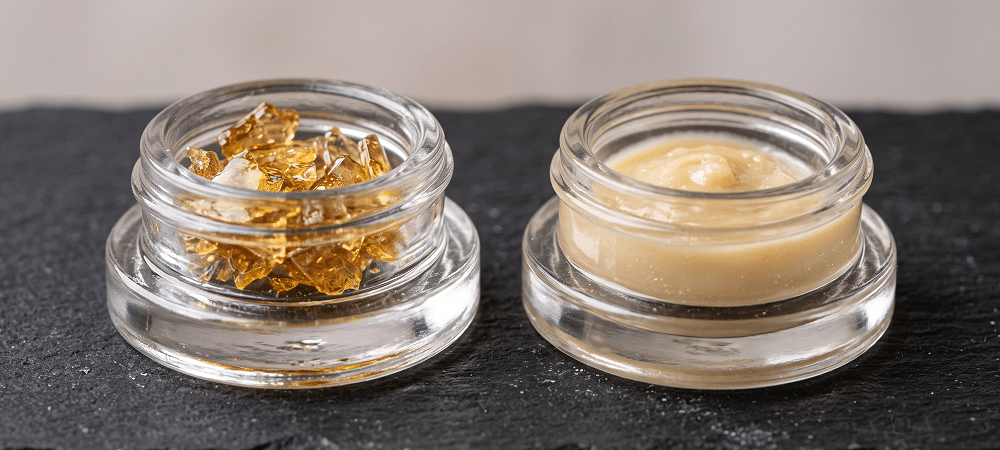
Both cured resin and live rosin can be further processed after initial extraction to achieve specific textures. Cured resin can be whipped, shaken, or temperature-manipulated to produce shatter, wax, crumble, sugar, or oil. Live rosin is most commonly finished as a soft badder, budder, or jam-like consistency because the retained terpene content keeps the extract naturally pliable. Rosin can also be further processed into live rosin gummies and other infused formats by emulsifying the extract into an edible base.
How Do Cured Resin and Live Rosin Differ in Flavor, Potency, and Consistency?
Once you move past the production methods, the practical differences come down to what you experience when you use the product. Flavor, texture, and the overall character of the concentrate are all shaped by the choices made during cultivation, harvest, and processing.
Terpene Profile and Aroma
Live rosin consistently delivers a richer, more complex terpene profile than cured resin. Because fresh-freezing halts terpene degradation at the moment of harvest, the volatile aromatic compounds that give each hemp cultivar its distinctive character are preserved in far greater concentration. Cured resin, produced from dried biomass, loses a portion of those volatile terpenes through the post-harvest curing process. The finished extract still carries flavor and aroma, but the profile is generally less layered than a comparable live rosin from the same genetics.
Texture and Consistency
Cured resin is versatile in texture because post-processing can push it in almost any direction. Depending on the method, it might be a rigid shatter, a soft crumble, a granular sugar, or a runny sauce. Live rosin tends toward softer, more malleable textures because residual terpenes act as a natural plasticizer. Badder and budder are the most common live rosin forms, and they are prized for their smooth, easy-to-work consistency.
Potency and Cannabinoid Content
Neither format is inherently more potent than the other when measured purely by cannabinoid percentage. Both cured resin and live rosin can reach high cannabinoid concentrations, and the differences in total THC or CBD content typically come down to the source genetics and the skill of the extractor rather than the method itself. What does differ is the entourage of compounds surrounding those cannabinoids. The elevated terpene content in live rosin may contribute to a noticeably different experience compared to cured resin, though all effect claims should be understood as individual and anecdotal.
Price and Availability
Live rosin commands a higher price point than cured resin in nearly every market. The fresh-frozen biomass requires faster processing and colder storage; the ice water wash and rosin press are labor-intensive steps performed in smaller batches; and the yield per pound of starting material is lower than solvent-based extraction. Cured resin is typically more accessible from a cost standpoint while still delivering a quality concentrate experience when made from good source material and tested properly.
Cured Resin vs Live Rosin: Which One Is Right for You?
The right choice depends on what you prioritize: terpene complexity, production philosophy, price, or texture preference. The table below maps the key decision factors side by side, to help you compare at a glance.
Factor
Cured Resin
Live Rosin
Source Material
Dried and cured hemp biomass
Fresh-frozen hemp biomass
Extraction Method
Solvent-based (BHO, CO2, propane)
100% solventless (ice water hash + heat press)
Terpene Profile
Good; some volatile terpenes lost during curing
Rich and complex; full harvest-time profile preserved
Typical Texture
Variable: shatter, wax, sugar, crumble, oil
Soft badder, budder, or jam consistency
Price Point
Generally more accessible
Premium; reflects labor-intensive small-batch production
When you are shopping for either product type, the COA is your most reliable quality indicator. For cured resin, confirm the residual solvents panel shows results below accepted safety thresholds. For live rosin, look for cannabinoid totals and a terpene profile panel if available. Browse our full range of hemp products to find the format that fits your preferences.
What These Differences Mean for Your Next Purchase
Understanding the production story behind a concentrate makes every purchase decision easier. Cured resin delivers a well-tested, versatile extract at a more accessible price, and when it comes from quality genetics with clean solvent purging, it is a strong performer in any concentrate lineup.
Live rosin represents a higher investment in exchange for a solventless process and a terpene profile that reflects the plant at its freshest moment. For consumers who prioritize production transparency and sensory complexity over price, it is often the preferred choice. Pure Standard Extracts carries both categories, and our lab reports give you the documentation to make that decision with confidence. Call us today and we will help you find the right product for your preferences.
Disclaimer: These statements have not been evaluated by the Food and Drug Administration. This product is not intended to diagnose, treat, cure, or prevent any disease. Hemp concentrates are intended for adult use only (21+). Individual experiences may vary. Consult a qualified healthcare professional before use, particularly if you are pregnant, nursing, or taking medications.
Frequently Asked Questions
What is the main difference between cured resin and live rosin?
Cured resin is extracted from dried and cured hemp using solvents such as butane or CO2, while live rosin is produced from fresh-frozen hemp through a completely solventless process involving ice water hash and a heat press. The primary practical differences are terpene richness, production method, texture, and price.
Is live rosin always solventless?
Yes. The defining characteristic of rosin as an extract category is that no chemical solvents are used at any point in production. Ice water, mechanical agitation, and controlled heat and pressure are the only inputs. A product labeled “live rosin” that used solvents during extraction would not meet the standard definition of rosin.
Does “live” mean the hemp plant is still alive during extraction?
No. “Live” refers to fresh-frozen biomass: hemp that was harvested and immediately frozen rather than dried and cured. Freezing at harvest preserves the terpene and cannabinoid profile of the living plant, which is why the resulting extract often has a richer, more complex aroma than extracts from cured material.
Is live rosin more potent than cured resin?
Not necessarily. Both can reach high cannabinoid percentages depending on the source genetics and extractor skill. The difference most consumers notice relates to the terpene profile rather than cannabinoid percentage alone. All effects from hemp concentrates are individual and should not be understood as guaranteed outcomes.
What does a COA tell me about a concentrate?
A certificate of analysis (COA) from a third-party lab reports cannabinoid content, confirms the product meets the legal 0.3% Delta-9 THC threshold for hemp, and, for solvent-based extracts, shows residual solvent levels. Some COAs also include terpene profiles and microbial safety panels. Always review the COA before purchasing any concentrate.
Why does live rosin cost more than cured resin?
Live rosin requires fresh-frozen biomass, which must be processed quickly and stored cold. The ice water wash is a multi-step, labor-intensive process, and the rosin press produces lower yields per pound of material compared to solvent-based extraction. Smaller batches, higher labor hours, and more demanding raw material handling all contribute to the higher price point.
What textures does cured resin come in?
Cured resin can be post-processed into a wide range of textures including shatter (rigid, glass-like), wax, crumble, sugar (granular), badder, and sauce (runny oil). The texture depends on how the extract is handled after initial solvent purging, including temperature manipulation, agitation, and vacuum time.
Are hemp-derived concentrates legal?
As of 2026, hemp-derived concentrates that contain 0.3% Delta-9 THC or less by dry weight fall within the federal definition established by the 2018 Farm Bill. Federal hemp regulations are actively changing: amendments effective November 2026 will shift the standard to a total THC calculation rather than Delta-9 alone, so confirm current federal and state rules before purchasing. Nothing in this article constitutes legal or medical advice.
Key Takeaways A Delta-8 gummy starts as hemp extract, gets blended into a warm gelling base, then set in moulds and finished. The tricky part is keeping the mix even so every piece comes out the same. Hemp is extracted, the extract is blended into a warm gelling base along
Key Takeaways Fruit flavours dominate the Delta-8 gummy category because they sit well alongside the taste of hemp extract. Flavour is mostly a preference question, though it can hint at how a product was built. Fruit is the overwhelming answer. Berry, citrus, tropical and stone fruit turn up most across
Key Takeaways Live rosin gummies are edibles made with a solventless hemp extract rather than a refined, neutral base. The difference shows up mostly in how they taste, since the extract carries the plant’s own character. Live rosin gummies are edibles built around live rosin, a solventless extract pressed from

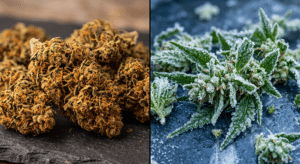 “Live” is a term that signals the plant was frozen immediately after harvest, before any drying or curing occurs. Freezing at harvest locks in the full terpene profile exactly as it existed on the plant, preserving volatile aromatic compounds that would otherwise be lost during a conventional drying cycle. This fresh-frozen biomass is the starting point for live rosin and is also used for live resin, though live rosin takes a different production path from there.
 Cured resin is versatile in texture because post-processing can push it in almost any direction. Depending on the method, it might be a rigid shatter, a soft crumble, a granular sugar, or a runny sauce. Live rosin tends toward softer, more malleable textures because residual terpenes act as a natural plasticizer. Badder and budder are the most common live rosin forms, and they are prized for their smooth, easy-to-work consistency.