Free Shipping over $75 | Ships Out Same-Day | SAVE 30% STOREWIDE, CODE "HALLOWEEN30"
What Is the Caryophyllene Terpene? The Spicy Terpene That Acts Like a Cannabinoid
Key Takeaways
Caryophyllene is the warm, spicy terpene found in black pepper, cloves, and many cannabis strains. It is often nicknamed the terpene that acts like a cannabinoid because of how it comes up in research conversations.
Caryophyllene is the terpene behind the warm bite of black pepper, and it stands out in the terpene world because it is often described as behaving more like a cannabinoid than a typical aroma compound.
What Is the Caryophyllene Terpene?
Caryophyllene is a naturally occurring aroma compound, or terpene, best known for the spicy kick it gives black pepper, cloves, and many cannabis strains.
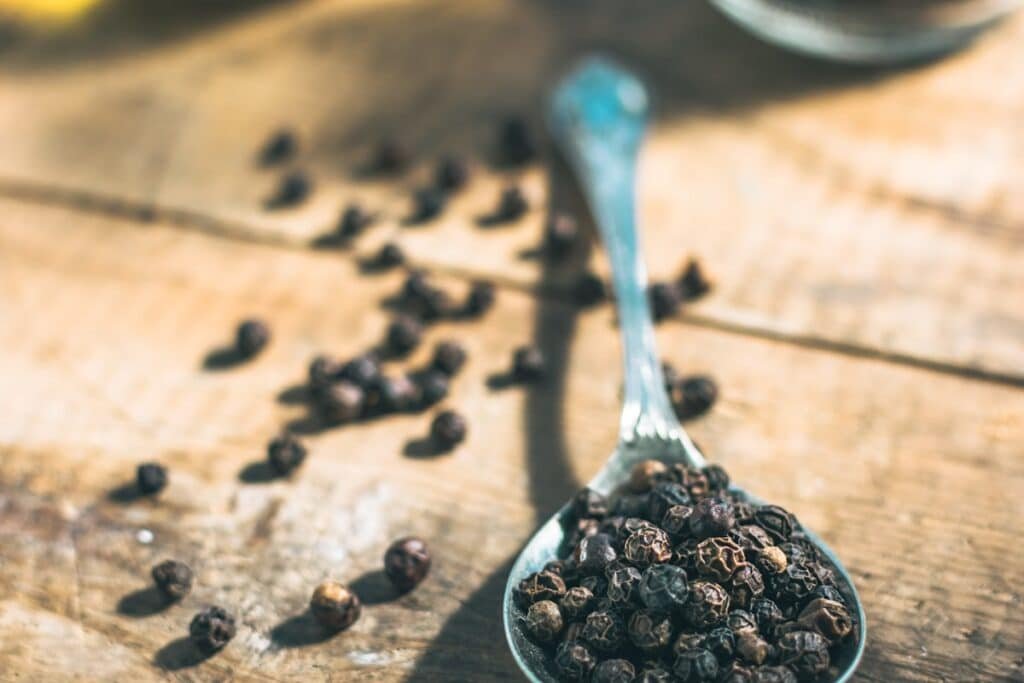
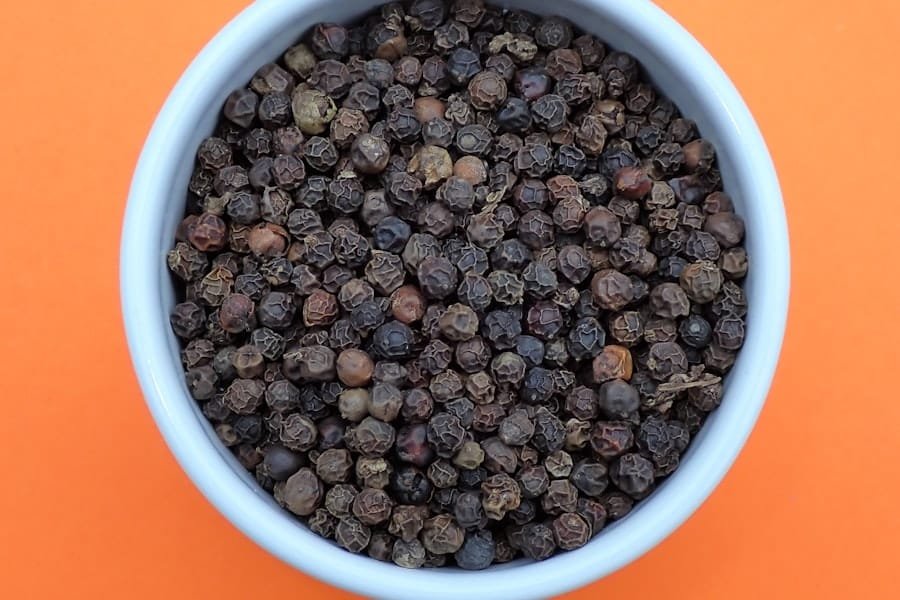
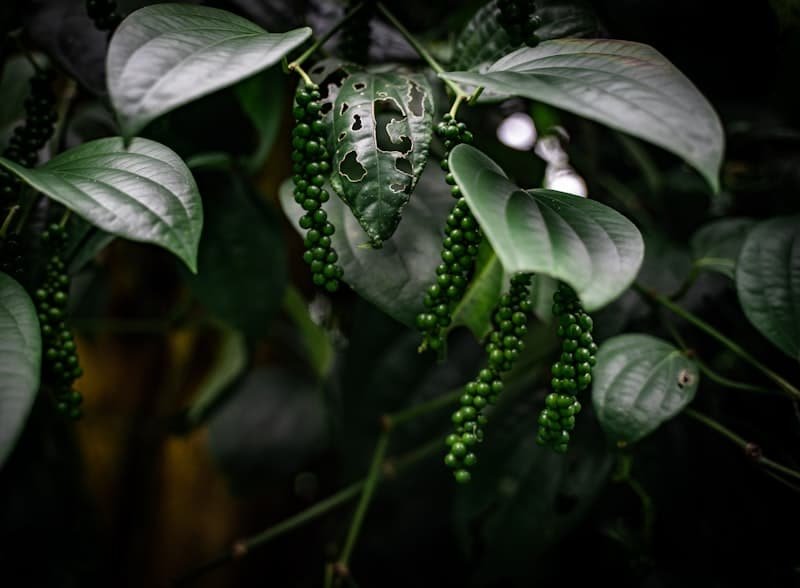
Terpenes are the scent-and-flavor molecules of the plant world, and caryophyllene is the one that brings the heat. Crack fresh pepper over a dish and the sharp, warm aroma that rises is caryophyllene at work. In cannabis and hemp, it supplies the spicy, almost incense-like note in certain profiles, and brands like Pure Standard Extracts preserve it by using real cannabis-derived terpenes rather than artificial flavorings.
What Does Caryophyllene Smell Like?
Caryophyllene smells like warm spice: black pepper up front, clove and cinnamon in the middle, and a dry woody finish.
Where pinene is a walk in the forest and linalool is a lavender field, caryophyllene is the spice cabinet. In a strain’s profile it reads as depth and warmth, grounding brighter citrus or floral notes the way pepper rounds out a recipe.
Where Is Caryophyllene Found?
Caryophyllene turns up in some of the most familiar spices in your kitchen, along with hops and cannabis.
Source
Where you notice it
Black pepper
The sharp, warm bite of fresh-cracked pepper
Cloves
The deep spice that defines their aroma
Cinnamon
Part of its sweet-spicy warmth
Hops
A spicy thread in certain beer styles
Cannabis strains
The peppery, incense-like note in spicy profiles
Why Do People Say Caryophyllene Acts Like a Cannabinoid?
Caryophyllene has earned the nickname because, in research conversations, it is often discussed as interacting with the body in ways that resemble cannabinoids more than typical terpenes.
That makes it something of a celebrity among terpene fans: an aroma compound that keeps getting invited to the cannabinoid table. It is worth keeping perspective, though. Research into terpenes is still developing, and how any compound behaves in a lab discussion is not a promise about how a product will feel. We share the nickname because it explains the buzz, not as a health claim.
Where Does Caryophyllene Show Up in Hemp Products?
Caryophyllene arrives naturally in strain-specific products with spicy, peppery profiles, especially those made with real cannabis-derived terpenes.
Pure Standard Extracts uses live cannabis-derived terpenes across its lineup, so spicy strains keep their caryophyllene intact. Fans of the terpene also tend to gravitate toward topicals, and you can browse balms and creams in the topicals collection. To see why real terpenes beat rebuilt blends, read our guide to cannabis-derived vs synthetic terpenes, or ask the team which strain profiles bring the spice.
Terpene
Signature aroma
Caryophyllene
Warm spice and pepper
Pinene
Fresh pine and forest air
Linalool
Soft lavender florals
Limonene
Bright citrus
IMPORTANT DISCLAIMER: The information in this article is for educational purposes only and should not be construed as medical advice. Always consult a healthcare professional before using any hemp, CBD, or related products, especially if you have medical conditions, are pregnant or nursing, or take prescription medications. Pure Standard Extracts products contain ≤0.3% Δ9-THC and are intended for adult use (21+). Our products are not FDA-approved to diagnose, treat, cure, or prevent any disease.
Frequently Asked Questions
What is caryophyllene in simple terms?
It is the natural aroma compound that gives black pepper its warm bite, found in spices, hops, and many cannabis strains.
Does caryophyllene get you high?
No. It is a scent-and-flavor compound, not an intoxicant, despite its cannabinoid-like nickname.
Why is it called the terpene that acts like a cannabinoid?
In research discussions it is often described as interacting with the body in cannabinoid-like ways, which is unusual for a terpene. That conversation earned it the nickname.
Which plants contain caryophyllene?
Black pepper, cloves, cinnamon, and hops are the famous ones, along with a wide range of cannabis strains.
Which cannabis strains have caryophyllene?
Strains described as spicy, peppery, or incense-like usually carry it prominently in their terpene profiles.
What effects do people associate with caryophyllene?
People often mention warmth and comfort, the way its spice reads in aroma. These are everyday associations rather than proven effects.
How do you know if a product contains caryophyllene?
Check the certificate of analysis for a terpene profile, and look for spicy or peppery notes in the strain description.
Do Pure Standard Extracts products contain caryophyllene?
Products built on spicy strain profiles carry it naturally, since the brand uses live cannabis-derived terpenes rather than artificial flavorings.
Key Takeaways Cordyceps is a functional mushroom with a long-standing reputation for supporting energy and stamina. Many people use it before activity, although the research is still developing and it should not be treated as a sure thing. It may help some people, and that is as far as anyone
Key Takeaways Reishi is a functional mushroom with a long history in traditional wellness, where it is most often associated with calm and rest. Research is still developing, so it is best understood as a traditional ingredient and not as a treatment for anything. Reishi is most commonly associated with
Key Takeaways There is no single amount of Amanita muscaria that is safe for everyone, because products, extracts and people all differ. The careful approach is to follow the label on a lab-tested product, begin with the smallest serving and give it plenty of time. We will not give you