Free Shipping over $75 | Ships Out Same-Day | SAVE 30% STOREWIDE, CODE "HALLOWEEN30"
Why Do Sun-Grown, Cannabis-Derived Terpenes Taste and Smell Different?
Key Takeaways
Sun-grown, cannabis-derived terpenes come straight from plants raised under real sunlight, so they carry the strain’s authentic aroma instead of a lab’s imitation of it. Fans describe the difference as the gap between fresh fruit and fruit flavoring.
They taste and smell different because they are the real thing: aromatic compounds pulled from cannabis plants grown under open sky, not recreated from other sources. Sunlight, soil, and strain genetics all leave fingerprints on the final aroma that copies struggle to match.
What Does Sun-Grown Actually Mean?
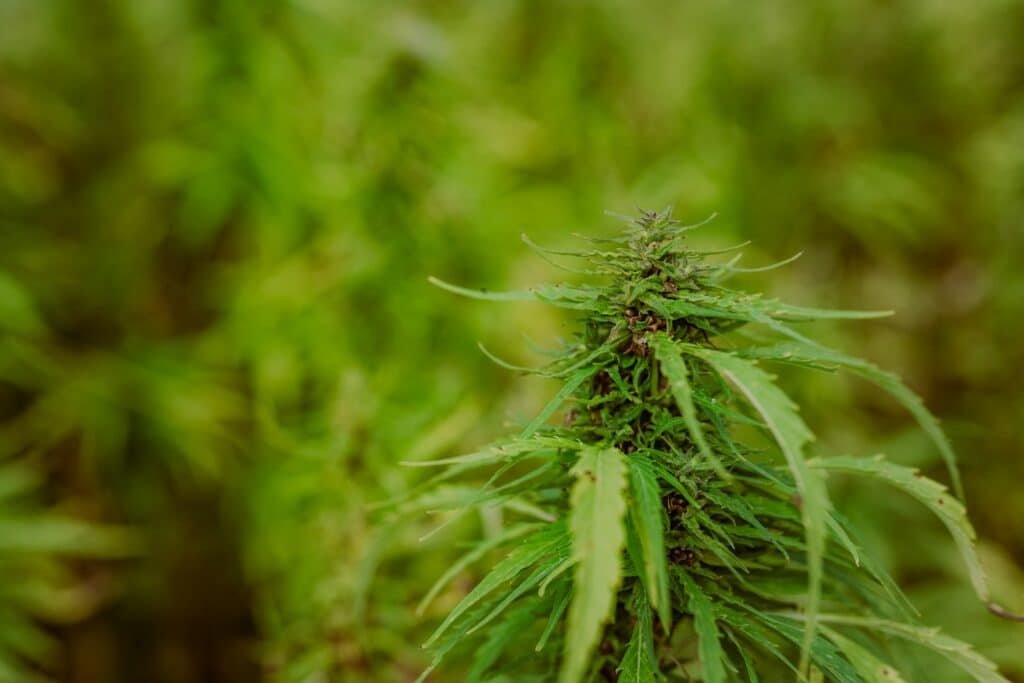
Sun-grown means the plants mature outdoors under natural light rather than under indoor lamps. The plant lives through real mornings, warm afternoons, and cool nights, and that rhythm shapes its chemistry.
Farmers who work this way often talk about terroir, the same idea wine lovers use: place leaves a signature. Humboldt County has long been famous for exactly that kind of signature, and it is the home ground of Pure Standard Extracts, where organic, sun-grown, cannabis-derived terpenes go into every product.
The craft side matters as much as the light. Outdoor farming asks the grower to read the season, harvest at the right moment, and handle the flowers gently so the aromatic compounds survive the trip from field to bottle. Cutting corners at any step dulls the final aroma, so careful handling matters as much as the growing.
How Do Cannabis-Derived Terpenes Compare to Imitations?
Because a strain’s aroma is a full chorus of compounds, and extracts taken from the plant itself keep the whole chorus together. Recreated blends tend to capture the loudest notes and miss the quiet ones that make a strain feel alive.
Artificial and botanical blends borrow similar molecules from other plants or build them synthetically, and the result can smell close yet flat, the way a candle smells like coffee without ever being coffee. We compared the approaches in detail in our guide to cannabis-derived versus synthetic terpenes, and the takeaway is simple: the plant’s own aroma is hard to copy.
How Do the Options Compare Side by Side?
Here is how the options compare, from closest-to-the-plant to furthest:
Terpene Source
Where It Comes From
How Fans Describe It
Sun-grown, cannabis-derived
Outdoor cannabis plants, extracted directly
True to the strain, layered, alive
Indoor cannabis-derived
Indoor-grown cannabis, extracted directly
Authentic, often more uniform
Botanical blends
Other plants like citrus, pine, and lavender
Pleasant, close, missing depth
Artificial flavoring
Built molecule by molecule in a lab
Recognizable, flat, one-note
What Should You Look for When Buying?
Seek labels that say cannabis-derived terpenes, name the strain, and back it all with third-party lab reports. Vague words like natural flavors usually signal a borrowed aroma.
Give the product the nose test when you can. A true-to-strain profile smells layered, with top notes, body, and a finish, while imitations tend to hit one note and stop. Simple ingredient lists with no fillers are another good sign that nothing is crowding the plant’s own character. If you are unsure what a label is really telling you, you can always ask through the contact page.
Ready to taste the difference sunlight makes? The vapeables lineup puts sun-grown terpene character front and center.
IMPORTANT DISCLAIMER: The information in this article is for educational purposes only and should not be construed as medical advice. Always consult a healthcare professional before using any hemp, CBD, or related products, especially if you have medical conditions, are pregnant or nursing, or take prescription medications. Pure Standard Extracts products contain ≤0.3% Δ9-THC and are intended for adult use (21+). Our products are not FDA-approved to diagnose, treat, cure, or prevent any disease.
Frequently Asked Questions
Does sunlight really change a plant’s terpenes?
Growers widely report that outdoor light, weather, and soil shape a strain’s aromatic character, much like vineyards credit their climate for a wine’s personality.
Are cannabis-derived terpenes stronger than artificial ones?
Fidelity matters more than strength here. The plant’s own extract carries the full range of notes, while imitations copy only the most obvious ones.
Why does Humboldt County come up so often?
The region’s growing culture and outdoor conditions earned it a long-standing reputation for character-rich cannabis, and that heritage carries into its hemp.
Do sun-grown terpenes taste better in vapes or edibles?
Both show them off in different ways. Vapes make the aroma immediate, while edibles weave the strain character into the flavor.
What does organic mean for terpenes?
It reflects how the source plants were raised. Clean growing practices keep the focus on the plant’s own chemistry.
Can I tell the source of terpenes from a lab report?
Lab reports confirm what is in the product, and brands that use cannabis-derived terpenes tend to say so plainly on the label and product page.
Are botanical terpenes bad?
They are borrowed rather than native to the strain. They can be pleasant, yet they rarely capture the depth of a true strain profile.
Does no fillers matter for flavor?
A short ingredient list leaves nothing to mute or mask the terpenes, so the strain’s voice comes through clearly.
Key Takeaways Cordyceps is a functional mushroom with a long-standing reputation for supporting energy and stamina. Many people use it before activity, although the research is still developing and it should not be treated as a sure thing. It may help some people, and that is as far as anyone
Key Takeaways Reishi is a functional mushroom with a long history in traditional wellness, where it is most often associated with calm and rest. Research is still developing, so it is best understood as a traditional ingredient and not as a treatment for anything. Reishi is most commonly associated with
Key Takeaways There is no single amount of Amanita muscaria that is safe for everyone, because products, extracts and people all differ. The careful approach is to follow the label on a lab-tested product, begin with the smallest serving and give it plenty of time. We will not give you