Free Shipping over $75 | Ships Out Same-Day | SAVE 30% STOREWIDE, CODE "HALLOWEEN30"
What Are the Myths and Facts About Amanita Muscaria?
Key Takeaways
Amanita muscaria is surrounded by folklore, and much of what people repeat about it is exaggerated or simply wrong. The sensible view sits in the middle, treating it as a psychoactive mushroom that deserves respect and careful preparation.
The biggest myths are that it is the same as a magic mushroom, that it is always deadly and that it is harmless because it is natural. None of those is accurate, and the reality calls for caution without panic.
Is Amanita Muscaria the Same as a Magic Mushroom?
No. It is a different species with different active compounds.
This is the most common mix-up. The phrase magic mushroom usually refers to species containing psilocybin, and Amanita muscaria contains none. Its main compounds are generally named as muscimol and ibotenic acid.
Deaths are commonly described as rare, though serious poisonings that need emergency care are reported.
Fly agaric is often confused with far more dangerous members of the same family, and their reputation has rubbed off on it. Raw fly agaric is widely regarded as unsafe to eat and can cause very unpleasant effects.
So the accurate position is neither “harmless” nor “certain death”. It is a mushroom that must not be eaten raw or foraged by amateurs.
Which Other Claims Come Up Most Often?
Stories about Vikings, Santa Claus and natural safety are repeated constantly, with varying support.
The table below takes the popular claims one at a time and gives the general view on each.
Claim
General view
It contains psilocybin
Myth. It is a different species with different compounds
It is always fatal
Deaths are described as rare, serious poisonings are reported
Natural means safe
Myth. Many natural things are harmful
Vikings used it before battle
A popular story that historians dispute
It inspired the Santa Claus legend
An entertaining theory without firm proof
Preparation makes no difference
Myth. Processing is understood to matter a great deal
It grows across the northern hemisphere
Fact
Why Does So Much Folklore Surround This Mushroom?
Because it is striking to look at and has appeared in stories, art and ritual for a very long time.
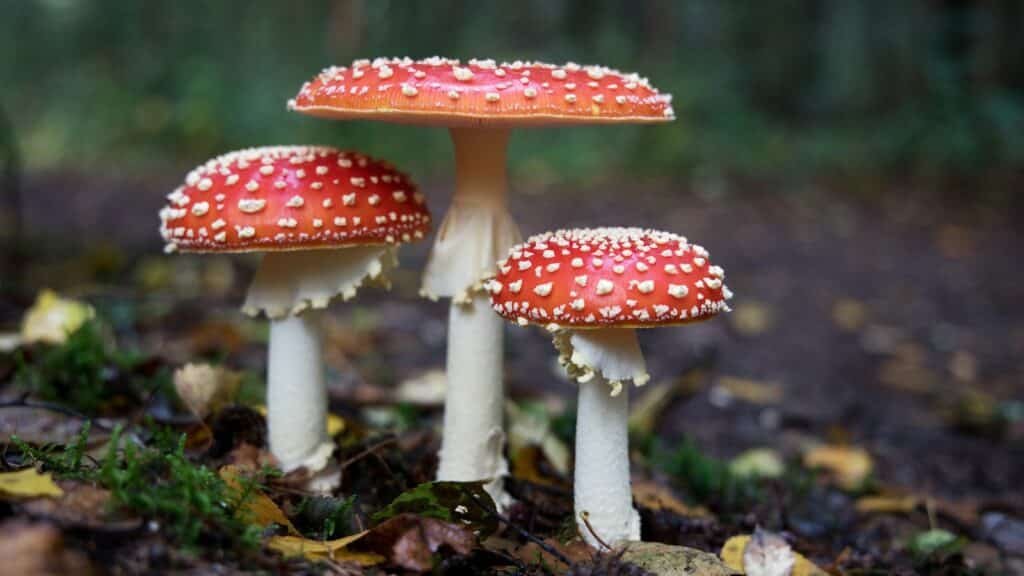
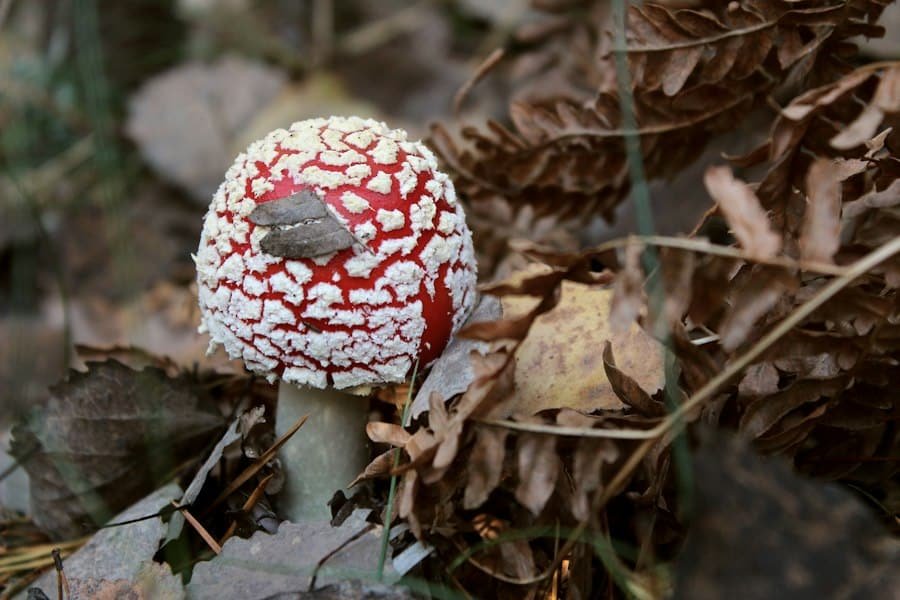
A bright red mushroom with white spots is hard to ignore. It turns up in fairy tales, children’s illustrations and seasonal decorations, and each retelling adds a little more legend.
Folklore is enjoyable, and it is a poor guide to safety. Old stories do not tell you what is in a modern product.
It is also worth remembering that most of these tales were written down long after the events they describe, often by people repeating what they had heard.
What Is the Sensible Way to Think About It?
Treat it as a psychoactive mushroom for adults that requires proper preparation, clear labeling and caution.
That means prepared, lab-tested products only, a careful start and a conversation with a doctor if you take medication or have a health condition.
Treating it carefully, with a lab-tested product and a clear head, is simply good sense.
IMPORTANT DISCLAIMER: The information in this article is for educational purposes only and should not be construed as medical advice. Always consult a healthcare professional before using any hemp, CBD, or related products, especially if you have medical conditions, are pregnant or nursing, or take prescription medications. Pure Standard Extracts products contain ≤0.3% Δ9-THC and are intended for adult use (21+). Our products are not FDA-approved to diagnose, treat, cure, or prevent any disease.
Frequently Asked Questions
Is Amanita muscaria a magic mushroom?
No. The phrase usually refers to psilocybin species, and Amanita muscaria is a different mushroom.
Is fly agaric poisonous?
It is widely classed as a poisonous mushroom and can make people seriously ill. Prepared products are still psychoactive and call for real caution.
Did Vikings really use Amanita muscaria?
It is a popular story, and historians dispute it.
Is the Santa Claus connection real?
It is an entertaining theory with no firm proof behind it.
Is Amanita safe because it is natural?
No. Being natural says nothing about safety.
Does cooking or processing change Amanita?
Processing is understood to change the balance of its compounds, which is why preparation matters.
Can you identify fly agaric by its red cap alone?
No. Related species can look similar, so identification is for trained experts.
Why is there so much folklore about this mushroom?
Its striking appearance has made it a fixture of stories, art and ritual for a very long time.
Key Takeaways Vapes and gummies feel different because they take different routes into the body. Inhaled cannabinoids are understood to reach the bloodstream quickly through the lungs, while edibles pass through digestion first, which slows them down and changes the experience. Vapes tend to feel stronger and faster because inhaled
Key Takeaways The four main hemp formats differ in how quickly people notice them, how long they tend to last and how easy they are to fit into a day. The right one depends on your routine and your reason for using hemp, and many people end up using more
Key Takeaways A simple recovery routine rests on sleep, food, water, gentle movement and time off. Hemp products can be a small optional addition for people who find them helpful, and they work best alongside those basics. It looks like steady sleep, regular meals, plenty of water, some gentle movement