Free Shipping over $75 | Ships Out Same-Day | SAVE 30% STOREWIDE, CODE "HALLOWEEN30"
What’s the Difference Between Resin and Live Rosin?
Resin and live rosin are not the same product, and the difference goes well beyond the name. Resin is a broad category covering multiple concentrate types, all made with solvents. Live rosin is a specific solventless product made from fresh-frozen plant material processed through ice water hash and heat pressing. Understanding these distinctions helps you make a more informed choice about the hemp concentrates you use and what to look for on a lab report.
Shopping for hemp concentrates can feel overwhelming once you move past flower and into the world of extracts. The terminology shifts fast: resin, live resin, rosin, live rosin. Each term points to a real and meaningful difference in how a product is made and what ends up in the final extract.
At Pure Standard Extracts, we have built our product line around transparency, so customers understand exactly what they are buying before it ever arrives at their door. That means publishing full lab reports, sourcing quality hemp, and being precise about product terminology.
If you have questions about which concentrate format is right for you, Contact us todayand our team will walk you through the options.
What Does “Resin” Actually Mean in Hemp Concentrates?
The word “resin” shows up constantly in cannabis and hemp concentrate marketing, but it rarely gets a clear definition. Used loosely, it can describe several different products that share one trait: they were all made using solvent-based extraction. Understanding what sits under that umbrella is the first step toward reading a product label accurately.
Cured Resin
Cured resin is the most common and most affordable concentrate category. It is produced from hemp flower that has been harvested, dried, and cured the same way smokable flower is prepared. The cured material is then processed using a solvent, most commonly butane or hydrocarbon-based solvents, to strip cannabinoids and terpenes from the plant matter.
Because the plant goes through a drying and curing cycle first, a meaningful portion of the original terpene content is lost before extraction even begins. Heat, light, and time all degrade volatile terpene compounds during the cure. The resulting extract still contains cannabinoids and terpenes, but the terpene profile is thinner than what was present in the living plant.
Cured resin is the entry point for most concentrate users. It tests well in cannabinoid percentages and is widely available at lower price points than live products.
Live Resin
Live resin is a step up from cured resin in both production complexity and final product quality. The key distinction is the starting material: instead of dried and cured flower, live resin begins with fresh-frozen plant material. After harvest, the hemp biomass is immediately frozen, locking in the terpene profile that existed in the living plant before any degradation can occur.
The frozen material is then processed using solvents, typically butane hash oil extraction. The solvent-based process strips a fuller, more complex terpene profile from the plant than a cured-material extraction can achieve. This is why live resin products tend to carry a more pronounced flavor and aroma than cured resin products from the same plant variety.
Live resin still requires residual solvent testing on its certificate of analysis because solvents are present in the extraction process, even after purging.
Why “Resin” Is a Category, Not a Single Product
The takeaway here is that “resin” describes any concentrate made through solvent-based extraction. Regardless of whether the starting material was dried or fresh-frozen, the defining characteristic is solvent-based extraction. This matters when you are comparing labels, because a product described as “resin” could be cured or live without that detail being immediately obvious from the name alone.
Always check whether a product specifies cured or live, and review the lab report to confirm cannabinoid content and residual solvent levels.
What Is Live Rosin, and Why Is It Different from Live Resin?
Live rosin is a solventless hemp concentrate made from fresh-frozen plant material processed into ice water hash and pressed under heat and pressure, with no chemical solvents at any stage. This is what sets it apart from live resin and all other resin-category products. It is about removing solvents from the process entirely, and that single fact changes how it is made, what it preserves, and how it is priced.
The Solventless Process
Rosin, in its broadest definition, is any concentrate produced using only heat and pressure. There are no hydrocarbon solvents and no chemical washes. Residual solvent testing is not required because no solvents are introduced at any stage of the process. The extraction tool is a rosin press, which applies controlled heat and mechanical pressure to the starting material, causing cannabinoids and terpenes to flow out as a concentrated extract.
This method appeals to consumers who prioritize solventless production. The certificate of analysis for a live rosin product reflects that: a well-made product will show zero solvent residuals.
Fresh-Frozen Starting Material
What makes live rosin specifically “live” is the same principle that applies to live resin: the hemp is harvested and immediately frozen rather than dried and cured. Fresh-freezing captures the plant’s terpene profile at its peak, before any degradation from heat, light, or oxidation during the drying process.
That fresh-frozen material is then processed into ice water hash, also called bubble hash, before the rosin press step. Cold water and ice agitate the frozen plant material, separating the trichome heads from the stalks and leaves. The resulting hash is then dried and pressed to produce live rosin.
How It Differs from Any Resin
The clearest way to draw the line: resin (cured or live) uses solvents; rosin (cured or live) does not. Live rosin specifically pairs the solventless press method with fresh-frozen starting material, which is why it captures the fullest possible terpene expression of any concentrate category. No solvents means no chemical interaction with the terpene compounds, and no curing step means no terpene loss before extraction begins.
A product described as simply “rosin” without the word “live” typically starts from cured or dried material rather than fresh-frozen, which produces a different terpene profile and falls at a different price point.
How Do Resin and Live Rosin Differ in Production?
The production differences between resin-based concentrates and live rosin are significant enough that they require different equipment, different inputs, and different quality control checkpoints. Tracing each method from plant to product makes the end differences easier to understand.
Solvent Extraction
Resin extraction, whether from cured or fresh-frozen material, relies on a solvent to pull cannabinoids and terpenes out of the plant. Butane hash oil is the most common method at scale. The plant material is packed into a column, solvent passes through it, and the resulting solution carries dissolved cannabinoids and terpenes. That solution is then purged of solvent through a combination of heat and vacuum pressure.
The purge step is critical. Incomplete purging leaves residual solvents in the final product, which is why reputable brands publish third-party lab reports that include a residual solvent panel. Properly purged live resin can have very low or undetectable solvent levels, but the testing requirement exists because the risk is present.
Solventless Extraction
Live rosin production starts at the ice water wash step. Frozen plant material is placed in ice water with agitation bags of varying micron sizes. The cold water causes trichome heads to become brittle and break away from the plant stalks and leaves. The water and trichomes pass through the micron bags, which act as filters, separating trichome heads by size and quality grade.
The collected hash is then freeze-dried to remove water without applying heat that would degrade terpenes. The dried ice water hash is finally pressed under controlled heat and pressure in a rosin press. Temperature control at this stage is precise. Too much heat degrades terpenes; too little results in poor yield.
What Each Process Preserves or Loses
Solvent extraction is efficient and scalable. It works well with large volumes of biomass and produces consistent cannabinoid percentages. The tradeoff is that solvents can interact chemically with some terpene compounds, and high-heat purging may reduce the final terpene load.
The solventless process is slower, more labor-intensive, and starts from high-quality fresh-frozen material. The reward is a terpene profile that reflects the living plant more closely than any solvent-extracted product. Each step in live rosin production is designed specifically to protect and preserve what fresh-freezing locked in.
How Do the Two Categories Compare in Flavor, Potency, and Price?
The practical question most consumers arrive at is: what does this actually mean for the product in my hand? The differences in production translate directly into differences in flavor expression, cannabinoid content, and retail cost.
Flavor
Flavor is where live rosin most clearly separates itself from the resin category. Because the process uses no solvents and starts from fresh-frozen material, the terpene profile in the final product is the most complete representation of the original plant. Consumers who use live rosin often describe the flavor as more nuanced and more complex than other concentrate types, though individual experience varies.
Live resin offers more terpene complexity than cured resin because of the fresh-freeze step, though solvent interaction during extraction reduces some of that terpene advantage. Cured resin has the thinnest terpene profile of the three because the drying and curing process removes volatile terpenes before extraction begins.
Potency
All three categories can test at high cannabinoid percentages. Potency in hemp concentrates is primarily a function of the source material and the efficiency of extraction, not the extraction method itself. What does differ is the experiential dimension that terpenes may contribute.
A 2011 review by Dr. Ethan Russo published in the British Journal of Pharmacology proposed that terpenes may interact with cannabinoids in ways that influence the overall experience. This concept is commonly called the entourage effect. Researchers note the evidence is preliminary, and a richer terpene profile does not guarantee a specific outcome.
Price
Price follows production complexity in a clear hierarchy. Cured resin is the most affordable concentrate because it uses dried material and a relatively scalable solvent process. Live resin commands a higher price due to the fresh-freeze logistics, higher-quality starting material, and the more involved extraction setup.
Live rosin sits at the top of the price range because it combines fresh-frozen material with a slower, more labor-intensive solventless process and produces lower yields per pound of input. Each stage also requires skilled handling, and for consumers who prioritize solventless production and the richest possible terpene expression, that price premium reflects real production cost.
Here is a quick summary by priority before you decide:
Budget-first: Cured resin delivers solid cannabinoid content at the most accessible price point.
Flavor and terpene complexity: Live resin is a meaningful step up, with a fuller terpene profile thanks to fresh-freezing, at a moderate price increase.
Solventless and maximum terpene expression: Live rosin is the top-tier option. It uses no solvents, starts from fresh-frozen material, and delivers the richest terpene profile available in a concentrate.
Before you buy, review the lab reportsfor any product you are considering to confirm cannabinoid content and verify residual solvent levels. Our hemp concentrate catalog covers multiple formats, and all products are hemp-derived and comply with the federal 0.3% Delta-9 THC threshold, verified by third-party testing.
Which One Should You Choose?
The right concentrate is the one that matches what you actually care about: price, terpene richness, or solventless production. Each category delivers on its strengths, and the right starting point is knowing what those strengths actually are before you buy.
Pure Standard Extracts is committed to clear labeling, published lab reports, and products that meet federal hemp compliance standards. Call us todayand we will help you find the right concentrate for your needs.
Disclaimer: These statements have not been evaluated by the Food and Drug Administration. This product is not intended to diagnose, treat, cure, or prevent any disease. For adults 21 and older. Individual results vary. Consult your healthcare provider before use, especially if you are pregnant, nursing, or taking medication.
Frequently Asked Questions
What is the difference between live resin and live rosin?
Live resin and live rosin both use fresh-frozen hemp as their starting material, which is why the names look similar. The difference is in the extraction method. Live resin uses solvents, typically butane, to pull cannabinoids and terpenes from the frozen plant. Live rosin uses no solvents at all: the frozen plant is processed into ice water hash first, then pressed with heat and pressure to produce the final concentrate. Solvent use is the defining line between the two.
Is live rosin stronger than live resin?
Both live rosin and live resin can test at high cannabinoid concentrations, and neither category is inherently more potent than the other by definition. What live rosin typically has over live resin is a richer terpene profile, because no solvents interact with the terpene compounds during processing. How that terpene richness affects the overall experience varies by individual and product. Always check the certificate of analysis for actual cannabinoid percentages.
What does “live” mean in hemp concentrates?
“Live” in concentrate terminology refers to the starting material, not the extraction method. A live product, whether live resin or live rosin, begins with hemp that was harvested and immediately frozen rather than dried and cured. This fresh-freeze step preserves the terpene profile that was present in the living plant before any degradation from heat, light, or oxygen during the drying process could occur.
Does rosin always mean solventless?
Yes. By definition, rosin is produced using only heat and pressure, with no chemical solvents introduced at any stage. This applies to both regular rosin (from dried material) and live rosin (from fresh-frozen material). If a solvent was used at any point in the extraction, the product is a resin, not a rosin. This distinction is important when reading labels, because the terms are sometimes used loosely in marketing.
Why is live rosin more expensive than live resin?
Live rosin costs more because the production process is slower, more labor-intensive, and produces lower yields per pound of input material. The fresh-frozen hemp must first be processed through an ice water hash wash, then freeze-dried, then pressed under precise heat and pressure. Each step requires skilled handling. Live resin, while also starting from fresh-frozen material, uses a more scalable solvent-based process that moves larger volumes more efficiently.
Are hemp-derived resin and rosin products federally legal?
Hemp-derived concentrates, including resin and rosin products, are legal under federal law when derived from hemp and containing no more than 0.3% Delta-9 THC by dry weight. This threshold was established by the 2018 Farm Bill. Federal hemp regulations are evolving, so verify current compliance standards before purchasing. Individual state laws also vary. Products on this site are intended for adults 21 and older.
What should I look for on a concentrate lab report?
A complete certificate of analysis should include a potency panel, a terpene panel if terpenes are claimed, a residual solvent panel for any resin product, and testing for heavy metals, pesticides, and microbials. For live rosin, the residual solvent panel should show zero detectable solvents. Always verify the lab is an accredited third-party facility and that the batch number matches your product.
Can I use resin and live rosin products the same way?
Yes. Resin and live rosin concentrates are generally consumed using the same methods: a dab rig, a concentrate vaporizer, or a compatible device for extracts. Live rosin may behave slightly differently at certain temperatures due to its terpene content and consistency. Lower temperature use is generally recommended for terpene-forward concentrates to preserve flavor. Check product-specific guidance for temperature recommendations.
Key Takeaways A Delta-8 gummy starts as hemp extract, gets blended into a warm gelling base, then set in moulds and finished. The tricky part is keeping the mix even so every piece comes out the same. Hemp is extracted, the extract is blended into a warm gelling base along
Key Takeaways Fruit flavours dominate the Delta-8 gummy category because they sit well alongside the taste of hemp extract. Flavour is mostly a preference question, though it can hint at how a product was built. Fruit is the overwhelming answer. Berry, citrus, tropical and stone fruit turn up most across
Key Takeaways Live rosin gummies are edibles made with a solventless hemp extract rather than a refined, neutral base. The difference shows up mostly in how they taste, since the extract carries the plant’s own character. Live rosin gummies are edibles built around live rosin, a solventless extract pressed from

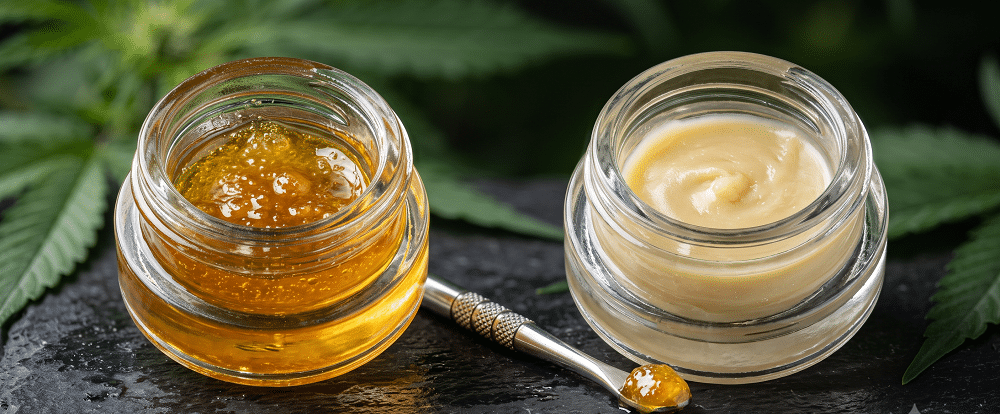
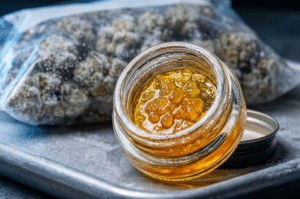 Live resin is a step up from cured resin in both production complexity and final product quality. The key distinction is the starting material: instead of dried and cured flower, live resin begins with fresh-frozen plant material. After harvest, the hemp biomass is immediately frozen, locking in the terpene profile that existed in the living plant before any degradation can occur.
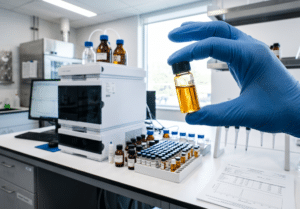 All three categories can test at high cannabinoid percentages. Potency in hemp concentrates is primarily a function of the source material and the efficiency of extraction, not the extraction method itself. What does differ is the experiential dimension that terpenes may contribute.