Free Shipping over $75 | Ships Out Same-Day | SAVE 30% STOREWIDE, CODE "HALLOWEEN30"
How Do You Choose a Hemp Topical for Pain Relief?
Key Takeaways
Choosing a hemp topical comes down to four things, which are the cannabinoids in it, the supporting ingredients, the texture and the lab report. The best one for you is the one that suits the area you want to use it on and how you plan to use it.
Start with the lab report, then look at which cannabinoids and supporting ingredients are in the formula, and choose a texture that fits where and when you will apply it.
Which Cannabinoids Should You Look For?
CBD is the most common, and some formulas add other cannabinoids.
CBD is the mainstay of hemp topicals. Formulas that add a second cannabinoid are built on the idea that the two complement each other, although topical research is still limited.
The label should state how much of each cannabinoid the whole container holds. A larger figure in a small jar means a more concentrated product, and a vague label is a reason to look elsewhere.
Why Do Supporting Ingredients Matter So Much?
Because they shape most of what you feel when you first apply the product.
Menthol gives a cooling sensation. Lidocaine is used for a numbing feel. Arnica has a long history in muscle rubs. These ingredients are familiar from ordinary products, and they do a lot of the immediate work.
Think about what you want. If you dislike a strong cooling feel or a minty scent, a menthol-heavy formula is not for you, however good the cannabinoid content is.
Scent and feel are personal, and they decide whether you will keep using a product, so they deserve as much weight as the numbers on the label.
How Do Different Topical Formats Compare?
Creams, balms, roll-ons and oils differ mainly in texture and how easy they are to apply.
The table below summarizes the usual differences.
Format
Texture
Suits
Cream
Light, absorbs quickly
Larger areas, daytime use
Balm or salve
Thick and waxy
Small areas, longer contact
Roll-on
Liquid or gel
Mess-free use on the go
Oil
Slippery
Massage
Lotion
Thin and spreadable
All-over use
What Should the Lab Report Show?
That the cannabinoid content matches the label, and ideally that the product has been screened for contaminants.
Skin products are applied repeatedly, so quality matters. A third-party report tied to your batch is the only independent check you have.
Ask for the report before you buy if it is not published. A brand that tests properly will send it without fuss.
It is also worth checking the date. Topicals do not last forever, and our post on whether CBD pain cream expires explains how to tell when one is past its best.
How Do You Test a New Topical Safely?
Patch test a small area first, then use it as directed and give it a fair trial.
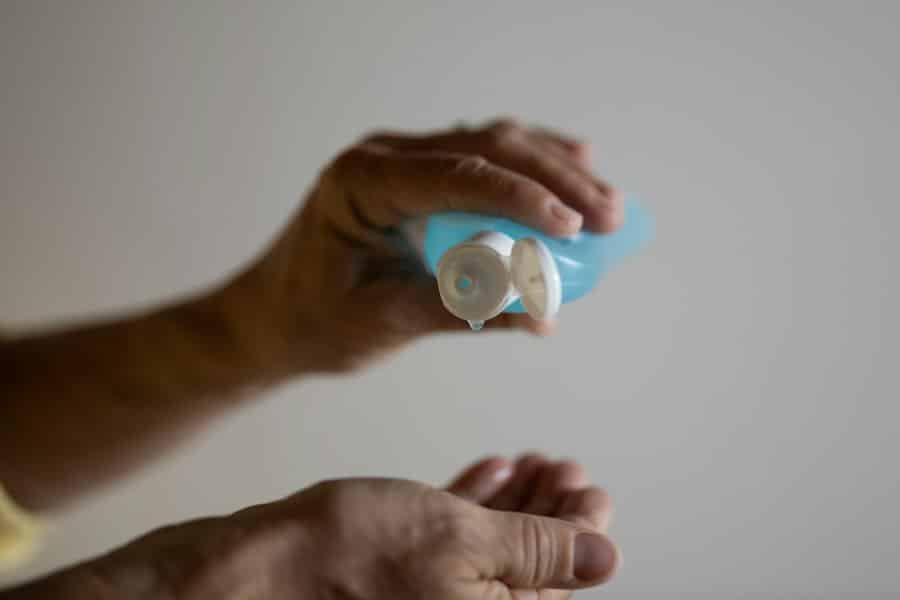
Apply a little to the inside of your forearm and wait to see how your skin reacts. Avoid broken skin and keep it away from your eyes. Wash your hands after use.
The Pain Cream in the topical range combines CBD and a THC-type cannabinoid with lidocaine, arnica and menthol, and it absorbs without a greasy residue. If you would like to see its lab report first, request it from us.
Everything at Pure Standard Extracts is third-party lab-tested. A topical is not a substitute for medical care, so see a doctor about pain that is severe or lasting.
IMPORTANT DISCLAIMER: The information in this article is for educational purposes only and should not be construed as medical advice. Always consult a healthcare professional before using any hemp, CBD, or related products, especially if you have medical conditions, are pregnant or nursing, or take prescription medications. Pure Standard Extracts products contain ≤0.3% Δ9-THC and are intended for adult use (21+). Our products are not FDA-approved to diagnose, treat, cure, or prevent any disease.
Frequently Asked Questions
What should you look for in a hemp topical?
A lab report, clear cannabinoid content, supporting ingredients you are comfortable with and a texture that suits your use.
Is a cream or a balm better?
Creams absorb quickly and suit larger areas. Balms are thicker and suit small areas.
What does menthol do in a topical?
It gives a cooling sensation on the skin.
What is arnica?
A plant extract with a long history of use in muscle rubs.
How do you compare the strength of two topicals?
Look at the cannabinoid content against the size of the container. More in a smaller jar means a more concentrated product.
Do hemp topicals have a scent?
Many do, especially those with menthol. Check the ingredient list if scent matters to you.
How do you patch test a cream?
Apply a small amount to the inside of your forearm and watch for any reaction before wider use.
Do hemp topicals expire?
Yes. Check the date on the container and store it as directed.
Key Takeaways Vapes and gummies feel different because they take different routes into the body. Inhaled cannabinoids are understood to reach the bloodstream quickly through the lungs, while edibles pass through digestion first, which slows them down and changes the experience. Vapes tend to feel stronger and faster because inhaled
Key Takeaways The four main hemp formats differ in how quickly people notice them, how long they tend to last and how easy they are to fit into a day. The right one depends on your routine and your reason for using hemp, and many people end up using more
Key Takeaways A simple recovery routine rests on sleep, food, water, gentle movement and time off. Hemp products can be a small optional addition for people who find them helpful, and they work best alongside those basics. It looks like steady sleep, regular meals, plenty of water, some gentle movement