Free Shipping over $75 | Ships Out Same-Day | SAVE 30% STOREWIDE, CODE "HALLOWEEN30"
Live Resin vs Live Rosin Carts: What’s the Difference for Vapers?
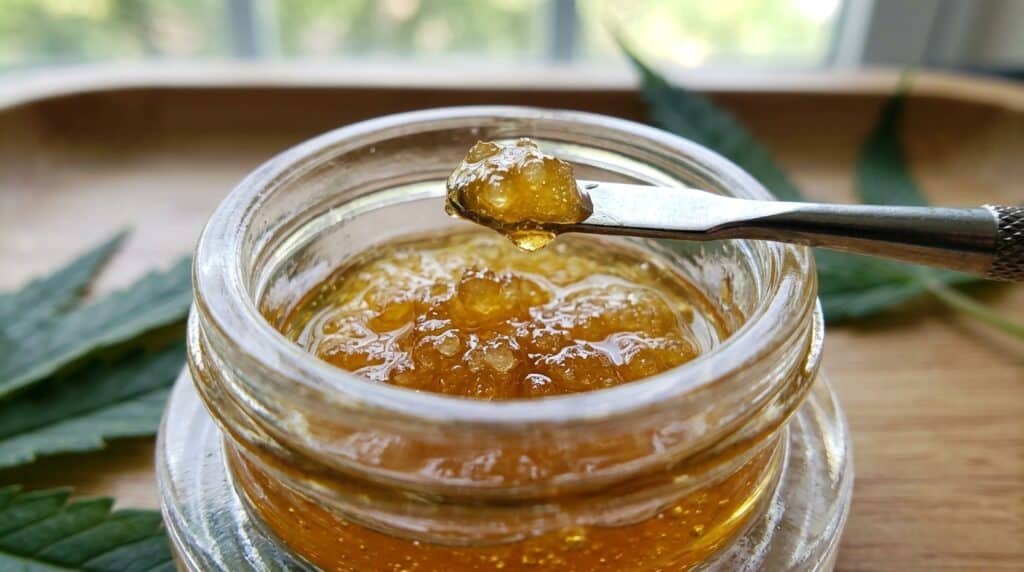
Live resin and live rosin carts both use fresh-frozen cannabis to preserve strong, natural flavors. The main difference is the extraction method: live resin uses chemical solvents (like butane) to strip the oils, while live rosin is solventless, relying only on ice water, heat, and pressure.
If you have shopped for a premium cart lately, you have probably seen “live resin” and “live rosin” side by side and wondered if the extra letter even matters. They look almost identical on a label, yet they come from two very different ways of pulling the good stuff out of the plant.
Both start from the same place, and both aim for big flavor, so the names get used loosely and the lines blur fast. The real split comes down to one word: solvent.
That single difference shapes the flavor, the price, and even how the cart behaves when you pull on it. At Pure Standard Extracts, we carry both styles, so contact us today to ask which cart style fits your flavor preference.
What Live Resin and Live Rosin Carts Actually Are
Live resin and live rosin are both concentrates designed to capture a strain at its freshest. The “live” part is the clue they share, and it points to how the plant is handled before any extraction happens at all.
The “live” part both share
Both extracts begin with fresh-frozen flower, meaning the plant is frozen within hours of harvest instead of being dried and cured. According to extraction sources like Jetty and Root Sciences, freezing locks in the volatile terpenes that usually fade during drying.
That preserved terpene content is the whole reason “live” products carry such bright, strain-specific aromas. It is also why both carts can taste closer to the living plant than a standard distillate, which strips most of those compounds away.
What makes it live resin
Live resin is the solvent-based member of the pair. It is made by running light hydrocarbon solvents, usually butane or propane, through that fresh-frozen material to strip out cannabinoids and terpenes, then purging the solvent back out. The result is a flavorful, terpene-rich oil that flows well and tends to cost less than its solventless cousin.
What makes it live rosin
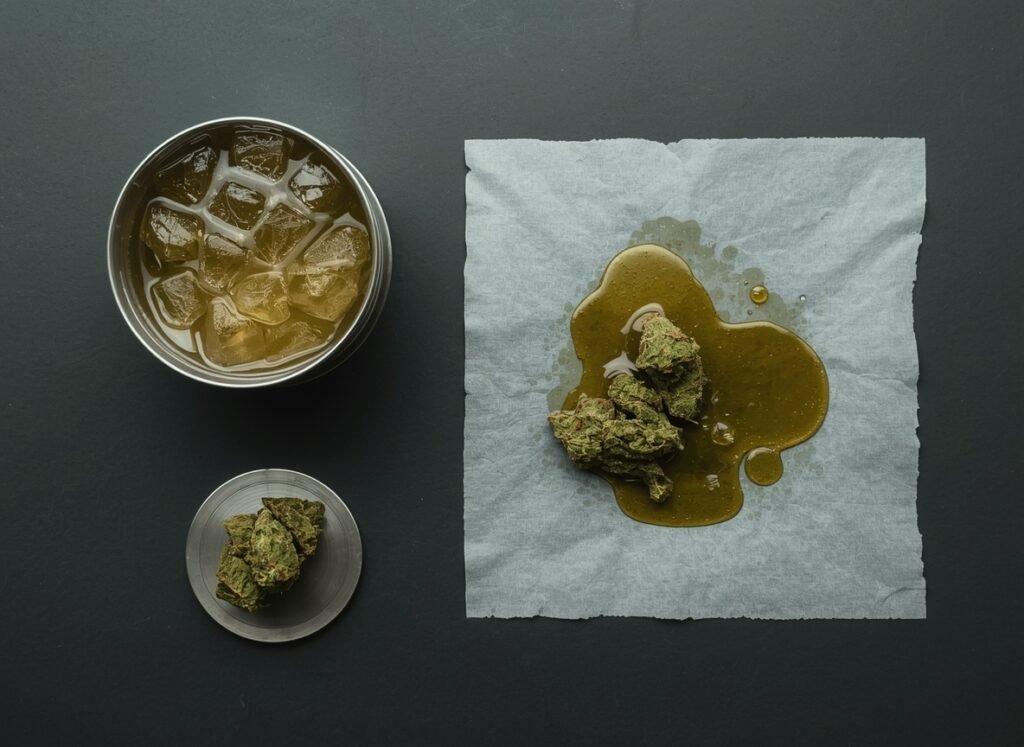
Live rosin takes the solventless road. Instead of chemicals, it uses ice water, heat, and pressure: the fresh-frozen flower is first washed into ice-water hash, then pressed under heat and pressure to squeeze out the oil. No hydrocarbons ever touch it, which is the headline selling point for a lot of buyers.
How Each One Is Made
The method behind each cart is where the two truly part ways. One leans on chemistry and efficiency, the other on mechanical pressure and patience, and both choices ripple all the way to the price tag.
Hydrocarbon extraction for live resin
Live resin relies on a closed-loop system that pushes butane or propane through the frozen plant at low temperatures. The solvent dissolves the cannabinoids and terpenes, and a purge step then removes that solvent from the final oil. Done properly and lab-tested, the finished product is clean, but the process is what classifies it as solvent-based.
Solventless pressing for live rosin
Rosin skips solvents entirely and uses physical force instead. After the fresh-frozen flower becomes ice-water hash, that hash is pressed between heated plates under pressure until the resinous oil seeps out. It is a slower, more hands-on method, and that labor is a big reason rosin sits at the premium end.
Why the method changes everything
The extraction path is not just trivia, since it decides yield, purity, and cost. Industry figures put hydrocarbon throughput at roughly 40 pounds per hour versus about 2 pounds per hour for rosin, which explains much of the price gap.
Solventless extraction also means there are no residual solvents to purge or test for at the end. Solvent-based extraction trades a little of that purity for scale and value, and a properly purged, lab-tested resin still clears the same safety standards.
Live Resin vs Live Rosin Carts, Side by Side
Live resin vs live rosin carts comes down to a few practical trade-offs once you know how each is made. The table below lines up the points most vapers actually weigh before buying, so you can scan the differences at a glance.
Feature
Live Resin Cart
Live Rosin Cart
Extraction method
Hydrocarbon (butane/propane), then purged
Solventless (ice water, heat, pressure)
Solvent used
Yes, removed in a purge step
None at any stage
Flavor profile
Bold, sometimes pungent terpenes
Often described as more “true to plant”
THC potency
Often tests slightly higher
Broader mix of minor cannabinoids
Price
More price-accessible
Premium, more labor-intensive
Availability
Widely stocked
Rarer, harder to scale
Flavor and terpenes
On flavor, live rosin tends to read as more layered and closer to the original flower, since its gentle pressing preserves the full terpene spectrum. That nuance is where most people feel the difference between the two carts first.
Live resin can also be loud and expressive, though some subtle aromatic notes may shift during the purge. That same solventless, true-to-plant character is what we lean on inour live rosin gummies, so the difference is not limited to carts alone.
Potency and purity
Potency tends to tilt slightly toward resin on paper. Sources like Weedmaps note that live resin often tests a touch higher in THC, while rosin holds onto a broader spread of minor cannabinoids and native terpenes. On purity, rosin has the cleaner story since it carries no residual solvents, while a well-made, lab-tested resin still passes the same safety checks.
Price and availability
Live rosin carts cost more and are harder to find than live resin carts. Rosin’s slow, hands-on production and lower yield push it into premium territory, while resin’s efficient extraction makes it more affordable and far more common on shelves. Neither is “cheap,” but resin usually wins on value while rosin wins on bragging rights.
What This Means When You’re Vaping
Specs are one thing, but the cart in your hand behaves a little differently depending on which one you choose. The oil’s thickness, the way it hits, and your own priorities all factor into the better pick for you.
Viscosity and your hardware
Rosin is the thicker of the two, and that texture matters at the battery. It tends to vape best on lower voltage settings, often somewhere around 2.0 to 2.4 volts, and it can clog if you pull too hard or too fast. Resin flows more easily and is more forgiving with standard hardware, so it pairs simply with our 510-thread carts.
How each one hits
The draw itself feels different to many vapers. Rosin’s intact terpene profile often reads as smoother and more flavor-forward on the inhale, while resin can come across as bolder and slightly punchier. Both deliver a real, intoxicating experience, so they are strictly for adults 21 and older, and a small first pull is the smart way to gauge any new cart.
Which one fits you
Choose live rosin for the purest, most plant-faithful flavor when you do not mind paying a premium, and choose live resin for bold taste and strong potency at a friendlier price. The right pick usually comes down to what you value most.
It can also help to think about how often you vape and what you spend now. Rosin can be a worthwhile treat for special sessions, and resin makes an easy everyday pick, so there is no wrong answer here, only the profile that fits your taste and budget.
Where to Start With Resin and Rosin Carts
Choosing between live resin and live rosin is less about which is “better” and more about which trade-offs you prefer. At Pure Standard Extracts, we carry both: resin gives you bold flavor and value, rosin gives you solventless purity and a true-to-plant taste, and both belong to the same premium, fresh-frozen family.
If you are still on the fence about which cart suits your style, our team is glad to walk you through the options before you buy. Call us today to pick between a resin or rosin cart.
Disclaimer: These statements have not been evaluated by the Food and Drug Administration. This product is not intended to diagnose, treat, cure, or prevent any disease. For adults 21 and older. Individual results vary. Consult your healthcare provider before use, especially if you are pregnant, nursing, or taking medication.
Frequently Asked Questions
What is the difference between live resin and live rosin carts?
The core difference is solvent use. Live resin is extracted from fresh-frozen flower with hydrocarbon solvents like butane or propane that are later purged, while live rosin is solventless and made with only ice water, heat, and pressure. Both preserve fresh terpenes, but rosin carries no residual solvents and usually costs more.
Is live rosin better than live resin?
Neither is universally better, since it depends on what you want. Live rosin offers solventless purity and a flavor many describe as more true to the plant, while live resin delivers bold taste and often slightly higher THC at a friendlier price. Rosin appeals to purists, and resin appeals to value-minded vapers who still want strong terpenes.
Why is live rosin so expensive?
Live rosin is expensive because its solventless process is slow and labor-intensive. It must be washed into ice-water hash and then pressed by hand under heat and pressure, and the yield is far lower than solvent extraction. Industry figures put rosin throughput near 2 pounds per hour against roughly 40 for hydrocarbon, which drives the premium price.
Does live rosin taste better than live resin?
Many vapers feel live rosin tastes better, though flavor is subjective. Its gentle, solventless pressing tends to preserve the complete terpene spectrum, so the taste reads as layered and close to the original flower. Live resin can still be loud and flavorful, but some delicate aromatic notes may shift during the solvent purge.
Is live resin or live rosin stronger?
Live resin often tests slightly higher in THC, so on paper it can look stronger. Live rosin usually carries a broader mix of minor cannabinoids and native terpenes, which some users find produces a fuller, more rounded experience. Both are potent and intoxicating, so the gap in raw numbers is often smaller than it sounds.
Are live rosin carts solventless?
Yes, live rosin carts are solventless by definition. The oil is made using only ice water, heat, and pressure, with no butane, propane, or other chemical solvents involved at any stage. That is why rosin is marketed as carrying zero residual solvents, which is the main reason purity-focused buyers seek it out.
Why do live rosin carts clog more?
Live rosin carts can clog more because the oil is thicker and more viscous than live resin. That denser texture moves slowly through a cartridge, especially with hard or fast pulls. Using a lower voltage setting, often around 1.8 to 2.2 volts, and taking gentler draws helps the oil flow and reduces the chance of clogging.
Which is better for flavor, resin or rosin?
For pure flavor, live rosin tends to get the edge from most enthusiasts. Its solventless extraction preserves a fuller terpene profile, so the taste comes across as more natural and true to plant. Live resin is still very flavorful and often more affordable, so rosin wins on nuance while resin wins on value.
Key Takeaways Reishi is a functional mushroom with a long history in traditional wellness, where it is most often associated with calm and rest. Research is still developing, so it is best understood as a traditional ingredient and not as a treatment for anything. Reishi is most commonly associated with
Key Takeaways There is no single amount of Amanita muscaria that is safe for everyone, because products, extracts and people all differ. The careful approach is to follow the label on a lab-tested product, begin with the smallest serving and give it plenty of time. We will not give you
Key Takeaways Amanita muscaria, also called fly agaric, is the red mushroom with white spots that most people recognize from fairy tales. It is a different species from psilocybin mushrooms and from everyday functional mushrooms, and it calls for more caution than either. Amanita muscaria is a wild mushroom known