Free Shipping over $75 | Ships Out Same-Day | SAVE 30% STOREWIDE, CODE "HALLOWEEN30"
How Many Milligrams of CBN Are Best for Sleep?
Most adults exploring CBN for sleep report the best results in the 10 to 25 milligram range, with beginners typically starting at 5 to 10mg and adjusting based on personal response. Research on CBN’s role in sleep is still developing, and no clinical therapeutic dose has been established. Finding your effective dose means starting low, tracking your sleep response, and factoring in product format, body weight, and existing cannabinoid tolerance.
CBN is gaining attention in the hemp market for its potential role in sleep support, and one of the most common questions from new users is how many milligrams to take. The honest answer depends on several factors, including your sensitivity to cannabinoids, the product format you choose, and whether you’re combining CBN with other hemp compounds like CBD.
At Pure Standard Extracts, we include CBN in our KO Blend because we believe in transparent, lab-tested formulas that let you see exactly what you’re taking. Understanding how CBN dosing works helps you make more informed decisions before purchasing any CBN-containing hemp product.
If you have questions about the CBN content in our products or want guidance on where to start, contact us today to speak with our team. We’ll walk you through what’s in our current lineup and what the lab reports show.
How CBN Supports Sleep and Why Dosage Matters
CBN (cannabinol) is a minor cannabinoid that forms through the natural oxidation and degradation of THC over time. Unlike most primary cannabinoids, it is not produced directly by the cannabis plant in significant quantities, which means its concentration in any hemp product depends on deliberate formulation rather than natural plant output.
What CBN Is and How It Forms in Hemp
CBN forms when Delta-9 THC is exposed to oxygen and UV light over time, breaking down from the parent cannabinoid through a natural oxidation process. In hemp products, CBN is typically isolated or concentrated for inclusion as a specific ingredient, rather than relying on natural degradation to produce usable amounts.
Because CBN develops from THC, it is technically a degradation byproduct rather than a primary cannabinoid. This means its concentration depends on careful formulation and third-party lab verification, not on natural plant output. Confirming the actual CBN milligram count from a lab report before purchasing is the most reliable way to know exactly what you’re taking.
Why CBN Is Associated With Sleep Support
CBN has been studied in a small body of preclinical research for potential sedative properties. A commonly cited informal survey from Steep Hill Labs suggested CBN may produce stronger sedative effects than some other cannabinoids in comparative testing, though this was not a controlled clinical trial and has not been replicated in peer-reviewed human studies.
Consumer-facing surveys and early observational research suggest CBN may contribute to relaxation and sleep onset, particularly when combined with CBD or other calming hemp compounds. The body of human clinical evidence on CBN and sleep remains limited, and most findings are extrapolated from animal studies or self-reported user data. These findings have not been evaluated by the FDA, and we do not claim that CBN treats insomnia or any sleep disorder.
How CBN Differs From CBD for Sleep
CBD is the most widely researched hemp cannabinoid with a larger body of peer-reviewed literature than CBN. CBN is often discussed alongside CBD for sleep because both are studied for relaxation and recovery applications and neither is federally scheduled under current law.
The key distinction is that CBN is mildly psychoactive at higher doses, while CBD is not considered psychoactive at any consumer dose. Most sleep-focused hemp products on the market combine both cannabinoids in a single formula, typically pairing 10 to 25mg CBN with 25 to 50mg CBD. This combination approach is anecdotally reported to address both sleep onset and sleep maintenance more effectively than either cannabinoid used alone.
Step 1: Begin with 5 to 10mg to Establish Your Baseline
The most important dosing principle for CBN is to begin at the low end of the commonly reported range. Starting high increases the likelihood of overshooting your personal threshold, which can produce grogginess the next morning rather than the restful sleep you were aiming for.
Most beginners report starting with 5 to 10mg of CBN as an initial dose to assess their body’s response. Give each dose at least two to three nights before adjusting upward, since sleep quality varies night to night for reasons unrelated to CBN. Single-night data is not reliable for dose calibration.
Avoid exceeding 25mg in your first week. Above 25mg, CBN’s mild psychoactivity becomes more pronounced, and without established tolerance, the experience may be heavier than intended.
Step 2: Time Your Dose 30 to 60 Minutes Before Bed
CBN in edible or tincture form typically takes between 30 and 90 minutes to reach its full effect, depending on your metabolism and whether you’ve eaten recently. Taking CBN immediately before lying down often means the effect has not peaked by the time you’re trying to fall asleep.
For gummies or capsules: take your dose 45 to 60 minutes before your target bedtime. For tinctures held under the tongue for 60 to 90 seconds before swallowing, 20 to 30 minutes is a common onset window. For inhalables or disposable vapes, effects typically begin within 5 to 15 minutes, so dosing can happen closer to bedtime.
Meal timing also matters. Taking CBN on a full stomach slows absorption compared to taking it while fasted. If your results vary night to night, meal timing is one of the first variables to stabilize.
Step 3: Adjust for Existing Cannabinoid Tolerance
Adults who regularly use other intoxicating hemp cannabinoids, including Delta-8, HHC, or THC-P, may find that standard low doses of CBN produce less noticeable effects than they would in a cannabinoid-naive individual. Cross-tolerance from other cannabinoids is a real factor.
If you regularly use intoxicating hemp products, consider starting at 15 to 20mg of CBN rather than 5mg, since your endocannabinoid system has existing occupancy from other compounds. If you are combining CBN with CBD, reduce the CBN dose proportionally, since the two may work synergistically, and a lower dose of each may match the effect of a higher solo dose. Start at 5 to 10mg CBN alongside a standard 25mg CBD dose and track your results before adjusting either.
Step 4: Factor In Body Weight as a Starting Reference
Body weight is a rough proxy for cannabinoid dose sizing, though it is not the only variable. Heavier individuals often need more milligrams to achieve the same effect as someone lighter, which is consistent with how most hemp cannabinoids behave at typical consumer doses.
A general reference point for hemp cannabinoids is approximately 0.15 to 0.25mg per pound of body weight. For a 150-pound adult, that range is roughly 22 to 37mg. For a 200-pound adult, approximately 30 to 50mg.
These numbers are extrapolated from general cannabinoid dosing literature, not from clinical CBN-specific studies, and should be treated as a rough starting range rather than a precise target. Metabolism also plays a role, since fast metabolizers process cannabinoids more quickly and may need a higher dose or earlier timing to achieve the same duration of effect as someone with a slower metabolic rate.
Step 5: Track Your Sleep Response Over Consecutive Nights
Sleep quality varies too much from night to night to assess a dose based on a single experience. A structured tracking approach over three to five nights at a consistent dose gives you meaningful data to work with before making adjustments.
After each night, note the following:
Estimated time to fall asleep
Number of times you woke during the night
Morning grogginess level (rate on a 1 to 5 scale)
Overall sleep quality rating (rate on a 1 to 5 scale)
After five nights, review your notes and decide whether to increase, hold, or reduce. If you experienced grogginess consistently, reduce by 5mg; if you saw no change, increase by 5mg. If your results were positive, hold the current dose for another week before deciding whether further adjustment is warranted.
Step 6: Match the Product Format to Your Specific Sleep Challenge
The format you choose affects how quickly CBN takes effect and how long that effect lasts. Choosing the wrong format for your particular sleep challenge can make CBN seem ineffective when the real issue is delivery method and timing.
CBN Product Format
Onset Time
Effect Duration
Best For
Gummies / Edibles
45–90 min
4–6 hours
Staying asleep through the night
Tinctures / Oils
15–45 min
3–5 hours
Adjustable dose, faster onset
Disposable Vape (CBN blend)
5–15 min
2–3 hours
Difficulty falling asleep initially
Capsules
45–90 min
4–6 hours
Consistent pre-measured dosing
For difficulty falling asleep, a faster-onset vape or tincture is better matched than a gummy; our KO Blend disposable includes CBN alongside Delta-8, HHC, THC-P, and CBD. For staying asleep through the night, our functional mushroom gummies incorporate CBN in a longer-acting edible format.
You can verify the exact CBN milligram count for any of these products in our lab reports before purchasing. Knowing the milligram count before you buy is one of the most reliable ways to dose consistently night over night.
Shop CBN From a Brand That Knows Its Formulas
CBN dosing is not one-size-fits-all, but starting at 5 to 10mg, timing your dose correctly, and matching the format to your sleep challenge covers the core variables for most adults. At Pure Standard Extracts, we make third-party lab reports available for every product so you can verify exactly how many milligrams of CBN are in each formula before committing.
If you want help identifying which of our products includes CBN, how much each contains, or which format fits your situation, reach out before you buy. Call us today to connect with our team about CBN dosing and the options in our current lineup.
Disclaimer: These statements have not been evaluated by the Food and Drug Administration. This product is not intended to diagnose, treat, cure, or prevent any disease. Hemp-derived cannabinoid products are intended for adults 21 and older. Consult a qualified healthcare provider before use, especially if you are pregnant, nursing, have a medical condition, or take prescription medications.
Frequently Asked Questions
How many mg of CBN should I take for sleep?
Most adults new to CBN start between 5 and 10mg, then adjust upward over one to two weeks based on how their sleep responds. The commonly reported effective range sits between 10 and 25mg for most users, though individual factors like body weight, tolerance to other cannabinoids, and product format all influence what works. There is no FDA-established therapeutic dose for CBN.
Is 10mg of CBN enough for sleep?
For many first-time CBN users, 10mg is enough to notice a change in sleep onset or quality, particularly when timing is correct and the product format matches the sleep challenge. Adults with existing tolerance to intoxicating hemp cannabinoids may need 15 to 20mg to register a similar effect. Start at 10mg for five nights before deciding whether to increase.
Is 25mg of CBN too much for a beginner?
For a true cannabinoid beginner, 25mg is on the higher end and may produce more sedation than expected. Starting at 5 to 10mg and working toward 25mg over one to two weeks is the safer approach. Adults who already use Delta-8, HHC, or similar cannabinoids regularly may find 25mg to be an appropriate starting point based on their existing tolerance level.
Does CBN get you high?
CBN is mildly psychoactive at higher doses, but at typical consumer doses of 5 to 25mg it is not expected to produce strong intoxication in most adults. It is far less psychoactive than Delta-9 THC or Delta-8 and is generally described as producing relaxation rather than a noticeable high. Individual experience varies based on dose, tolerance, and the other cannabinoids present in the formula.
How long does it take for CBN to make you sleepy?
In edible form such as gummies or capsules, CBN typically takes 45 to 90 minutes to produce its full effect. In tincture form, the onset window is generally 15 to 45 minutes depending on sublingual absorption. Inhalable formats like disposable vapes produce effects within 5 to 15 minutes.
Can you take too much CBN?
Consuming CBN above your effective threshold can produce next-morning grogginess rather than improved sleep. There are no reported serious adverse events from CBN overconsumption in the literature, but taking more than needed does not improve sleep quality and may worsen how you feel the following morning. Reducing dose by 5mg increments is the appropriate response if you experience daytime grogginess after using CBN.
Does CBN work better with CBD?
Many users and consumer surveys suggest that CBN and CBD work better in combination than either does alone, consistent with the entourage effect hypothesis that cannabinoids may be more effective together than separately. A common pairing is 10 to 15mg CBN with 25mg CBD taken 45 to 60 minutes before bed. These statements have not been evaluated by the FDA, and we do not claim this combination treats any sleep condition.
Is CBN for sleep FDA-approved?
CBN is not FDA-approved for any purpose, including sleep support. Hemp-derived CBN products are regulated as dietary supplements under the 2018 Farm Bill, not as drugs or pharmaceutical treatments. Consult a licensed healthcare provider before using CBN if you have a medical condition or take prescription medications.
Key Takeaways A Delta-8 gummy starts as hemp extract, gets blended into a warm gelling base, then set in moulds and finished. The tricky part is keeping the mix even so every piece comes out the same. Hemp is extracted, the extract is blended into a warm gelling base along
Key Takeaways Fruit flavours dominate the Delta-8 gummy category because they sit well alongside the taste of hemp extract. Flavour is mostly a preference question, though it can hint at how a product was built. Fruit is the overwhelming answer. Berry, citrus, tropical and stone fruit turn up most across
Key Takeaways Live rosin gummies are edibles made with a solventless hemp extract rather than a refined, neutral base. The difference shows up mostly in how they taste, since the extract carries the plant’s own character. Live rosin gummies are edibles built around live rosin, a solventless extract pressed from


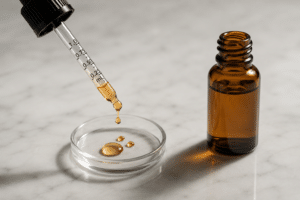 The most important dosing principle for CBN is to begin at the low end of the commonly reported range. Starting high increases the likelihood of overshooting your personal threshold, which can produce grogginess the next morning rather than the restful sleep you were aiming for.
 After each night, note the following: