Free Shipping over $75 | Ships Out Same-Day | SAVE 30% STOREWIDE, CODE "HALLOWEEN30"
What Is Chaga Mushroom, and What Is It Good For?
Key Takeaways
Chaga is a dark, woody growth that forms on birch trees in cold climates and has been brewed as a tea for generations. People use it for general wellbeing, and the research behind its reputation is still at an early stage.
Chaga is a functional mushroom that grows on birch trees and is traditionally brewed into a dark, earthy tea. People take it for general wellbeing, though firm evidence for specific benefits is still limited.
What Exactly Is Chaga?
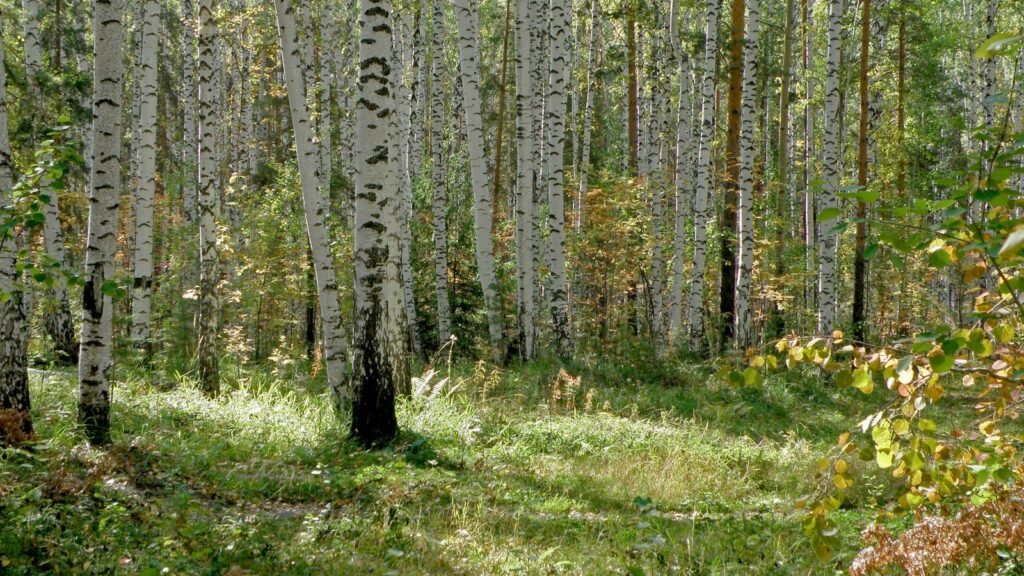
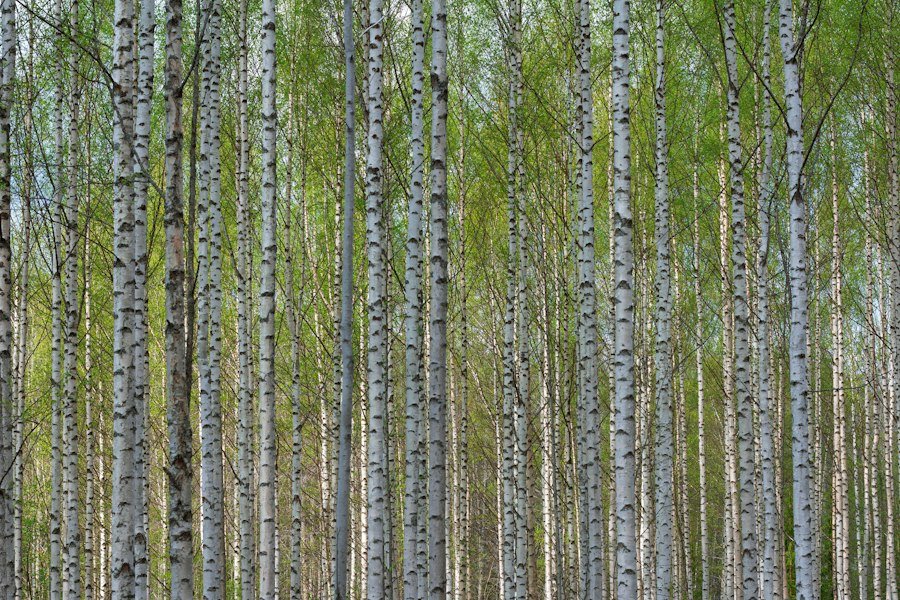
Chaga is a hard, charcoal-colored growth that forms on the trunks of birch trees in cold northern forests.
It does not look like a mushroom at all. From the outside it resembles a lump of burnt wood, and inside it is a rusty orange. It grows slowly over many years.
Chaga is far too hard to eat as food. It has traditionally been broken up and simmered into a drink, and today it is also sold as powders and extracts.
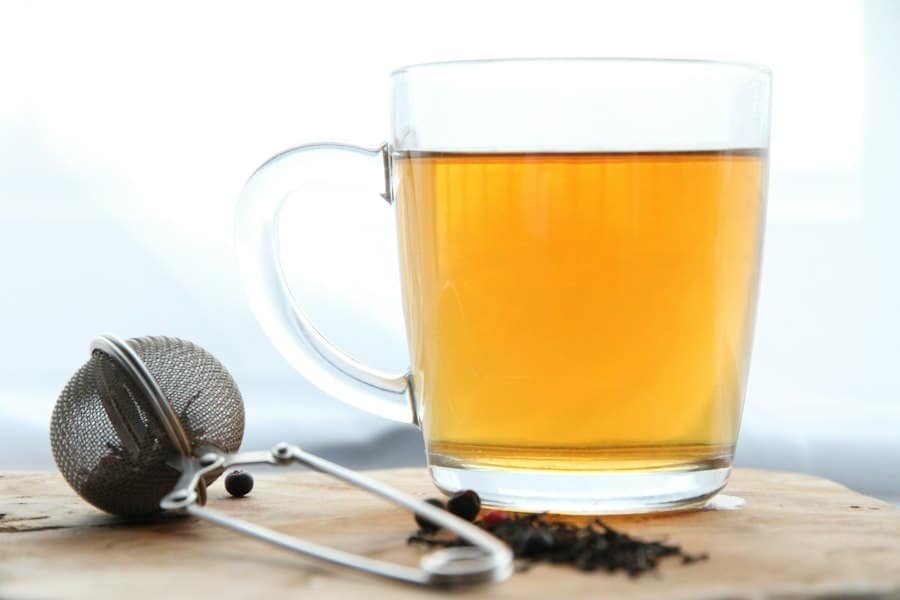
The flavor surprises most people. It is mild and slightly earthy, closer to a light black tea than to anything mushroom-like.
How Have People Traditionally Used Chaga?
As a brewed tea, mainly in cold regions such as Siberia, northern Europe and parts of North America.
In those places it was a household drink, valued through long winters. That history is the main source of its modern reputation as a wellness ingredient.
Tradition is not the same as proof. It tells us people have valued chaga for a long time, which is a reason for interest and not a medical claim.
Chaga is also slow to grow and is harvested from living trees, so sourcing matters. Responsible suppliers take care not to strip a forest, and that is worth asking a brand about.
What Is Chaga Commonly Associated With?
General wellbeing and antioxidant content are the two things mentioned most often.
The table below separates what is commonly said about chaga from what can be stated with confidence. The gap between the two is worth keeping in mind.
Common claim
Where it comes from
How settled it is
Rich in antioxidants
Analysis of the mushroom itself
Commonly reported, and we cannot confirm it
Supports general wellbeing
Long traditional use
Plausible, not proven
Supports the immune system
Tradition and early research
Still being studied
Treats specific illnesses
Marketing and hearsay
Not established, and not a claim we make
Are There Reasons to Be Cautious with Chaga?
Yes. Chaga may not suit everyone, especially people on certain medications or with kidney concerns.
Chaga is often noted for containing oxalates, and it may interact with some medicines. Anyone with a health condition, or taking medication for blood sugar or blood thinning, should ask a doctor before using it.
As a tea, a powder, a capsule or as part of a mushroom blend in an edible.
Blends are popular because they combine several functional mushrooms in one product. Chaga is one of the four mushrooms in the KO Blend, found in the functional mushroom gummies at Pure Standard Extracts.
Whatever the format, look for a lab-tested product and follow the label. For questions about ours, contact our team.
As with most functional mushrooms, people who like chaga tend to use it regularly over a long period and describe the effect as subtle.
IMPORTANT DISCLAIMER: The information in this article is for educational purposes only and should not be construed as medical advice. Always consult a healthcare professional before using any hemp, CBD, or related products, especially if you have medical conditions, are pregnant or nursing, or take prescription medications. Pure Standard Extracts products contain ≤0.3% Δ9-THC and are intended for adult use (21+). Our products are not FDA-approved to diagnose, treat, cure, or prevent any disease.
Frequently Asked Questions
What does chaga look like?
Like a lump of burnt wood on the side of a birch tree, dark on the outside and rusty orange inside.
Where does chaga grow?
On birch trees in cold northern forests, including Siberia, northern Europe and parts of North America.
What does chaga tea taste like?
Most people describe it as earthy and mild, with a slight bitterness.
Is chaga intoxicating?
No. Chaga is a non-intoxicating functional mushroom.
Is chaga high in antioxidants?
It is commonly noted for its antioxidant content. We are not in a position to confirm how much.
Who should be careful with chaga?
People with kidney concerns or on medication for blood sugar or blood thinning should ask a doctor first.
Can chaga treat an illness?
We make no such claim. Chaga is a traditional wellness ingredient and not a medicine.
Is chaga in the KO Blend?
Yes. Chaga is one of the four functional mushrooms listed in the blend.
Key Takeaways Chaga is a dark, woody growth that forms on birch trees in cold climates and has been brewed as a tea for generations. People use it for general wellbeing, and the research behind its reputation is still at an early stage. Chaga is a functional mushroom that grows
Key Takeaways Cordyceps is a functional mushroom with a long-standing reputation for supporting energy and stamina. Many people use it before activity, although the research is still developing and it should not be treated as a sure thing. It may help some people, and that is as far as anyone
Key Takeaways Reishi is a functional mushroom with a long history in traditional wellness, where it is most often associated with calm and rest. Research is still developing, so it is best understood as a traditional ingredient and not as a treatment for anything. Reishi is most commonly associated with