Free Shipping over $75 | Ships Out Same-Day | SAVE 30% STOREWIDE, CODE "HALLOWEEN30"
Why Do Third-Party Lab Tests and COAs Matter When Buying Hemp?
Key Takeaways
A third-party lab test is an independent check on what a hemp product actually contains, and the certificate of analysis is the document that records it. Without one, you are relying on the label and the brand alone.
They matter because they are the only independent evidence of what is in a hemp product. A label is a claim, and a certificate of analysis from an outside lab is the check on that claim.
What Is a Third-Party Lab Test?
It is a test carried out by a laboratory that has no stake in the product being sold.
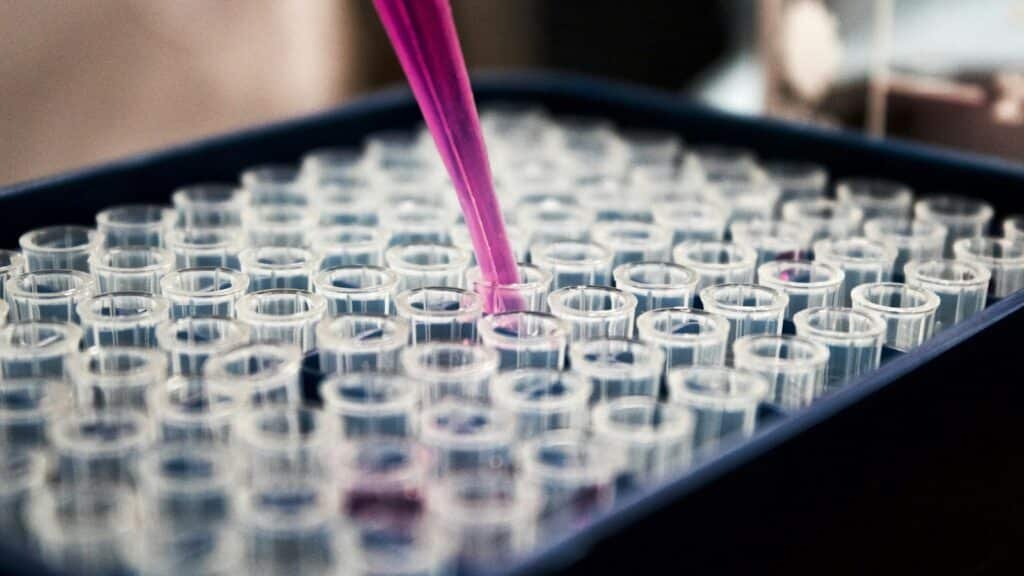
The brand sends a sample from a batch to an outside lab. The lab measures what is in it and writes up the results in a certificate of analysis, usually shortened to COA.
The independence is the point. A company checking its own work has an obvious interest in a good result, and an outside lab does not.
Why Is a Label on Its Own Not Enough?
Because a label only tells you what the maker intended to put in the product.
Hemp is a plant, and plants vary from one harvest to the next. Extraction and manufacturing add more room for drift. A finished product can end up stronger, weaker or simply different from what the label says.
A lab report closes that gap for the specific batch you are holding. Our post on what lab-tested really means looks at the phrase in more depth.
What Does a COA Typically Cover?
Most reports cover the cannabinoid content, and fuller ones also screen for things that should not be there.
The table below shows the sections you will commonly see. Not every report includes all of them, and a missing section is a fair thing to ask a brand about.
Section
What it shows
Why you care
Cannabinoid profile
Which cannabinoids are present
Confirms the label
Terpene profile
Aromatic compounds in the product
Explains flavor and character
Residual solvents
Leftovers from extraction
Shows how clean the process was
Pesticides
Farming residues
Reflects how the hemp was grown
Heavy metals
Contaminants taken up from soil
Hemp is known for drawing these in
Microbials
Mold and bacteria screening
Basic product safety
How Can You Tell a Brand Takes Testing Seriously?
Look for reports that are easy to find, tied to a batch and issued by a named outside lab.
A brand that is proud of its testing does not make you hunt for the results. Reports should be published or sent on request, and the batch on the report should match the batch on your package.
At Pure Standard Extracts, everything from the edibles range to our tinctures is third-party lab-tested and kept to ≤0.3% Δ9-THC, with reports on our lab reports page.
What Should You Do If a Product Has No Lab Report?
Ask the brand for one, and treat silence or excuses as your answer.
A missing report does not prove a product is bad. It does mean nobody independent has confirmed what is in it, and you would be buying on trust alone.
If you ever want the report for something of ours, contact us with the batch details and we will send it to you.
IMPORTANT DISCLAIMER: The information in this article is for educational purposes only and should not be construed as medical advice. Always consult a healthcare professional before using any hemp, CBD, or related products, especially if you have medical conditions, are pregnant or nursing, or take prescription medications. Pure Standard Extracts products contain ≤0.3% Δ9-THC and are intended for adult use (21+). Our products are not FDA-approved to diagnose, treat, cure, or prevent any disease.
Frequently Asked Questions
What does COA stand for?
Certificate of analysis. It is the document a lab issues to record what it found in a product sample.
Why does it matter that the lab is independent?
An outside lab has no stake in the result, so its findings carry more weight than a brand checking its own product.
Should every batch of a hemp product be tested?
Batch-level testing is the stronger practice, since plants and production runs vary from one to the next.
Can a hemp label be wrong?
Yes. Natural variation and manufacturing drift mean the finished product can differ from what the label states.
Where do brands usually publish their lab reports?
Often on a dedicated page of their website or through a code on the packaging. Some send them on request.
Is a hemp product without a COA unsafe?
Not necessarily. It simply means there is no independent confirmation of what it contains.
Do lab reports show contaminants as well as cannabinoids?
Fuller reports do. They can include screening for solvents, pesticides, heavy metals and microbials.
Does Pure Standard Extracts test its products?
Yes. Our products are third-party lab-tested, and reports are on our lab reports page.
Key Takeaways Reishi is a functional mushroom with a long history in traditional wellness, where it is most often associated with calm and rest. Research is still developing, so it is best understood as a traditional ingredient and not as a treatment for anything. Reishi is most commonly associated with
Key Takeaways There is no single amount of Amanita muscaria that is safe for everyone, because products, extracts and people all differ. The careful approach is to follow the label on a lab-tested product, begin with the smallest serving and give it plenty of time. We will not give you
Key Takeaways Amanita muscaria, also called fly agaric, is the red mushroom with white spots that most people recognize from fairy tales. It is a different species from psilocybin mushrooms and from everyday functional mushrooms, and it calls for more caution than either. Amanita muscaria is a wild mushroom known