Free Shipping over $75 | Ships Out Same-Day | SAVE 30% STOREWIDE, CODE "HALLOWEEN30"
Distillate vs Live Resin vs Rosin: A Simple Guide to the Differences
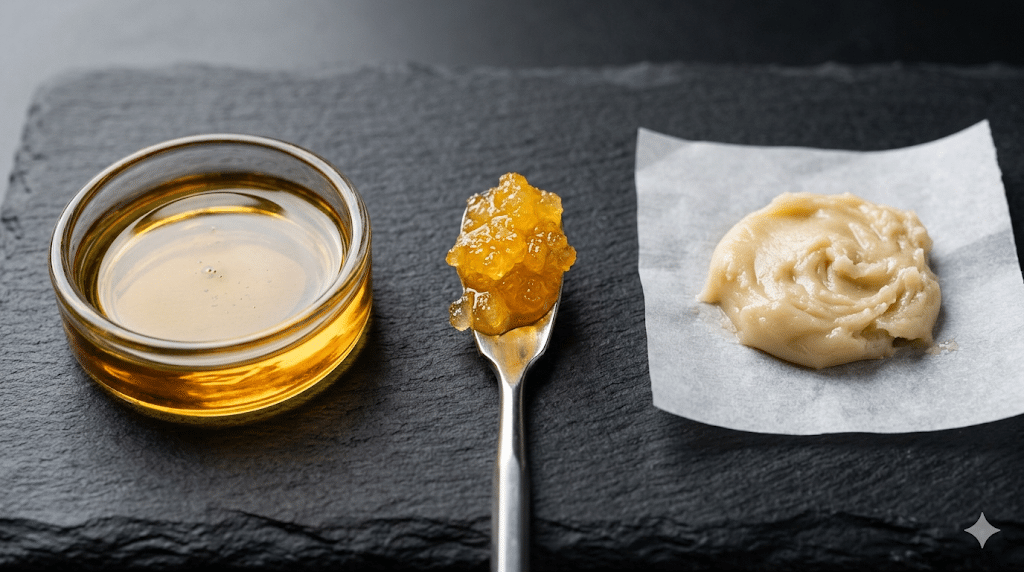
Distillate is highly refined THC with added flavors, offering maximum potency. Live Resin uses solvents on fresh-frozen flower for bold, true-to-plant flavors. Live Rosin is a solventless extract made with just heat and pressure, preserving the plant’s natural profile in its purest form.
Walk through any menu of vapes, carts, and gummies and you will see the same three words over and over: distillate, live resin, and live rosin. Comparing distillate vs live resin vs rosin matters because they are made in very different ways and deliver very different experiences.
The short version is that these are three extract types, ranked roughly by how much of the original plant they keep. Distillate is the most refined and the most neutral, live resin keeps the plant’s natural flavor, and live rosin is the premium, solventless option.
At Pure Standard Extracts, we break down how each one is made, how they compare on flavor and potency, and which might fit you best. Contact us todayto ask which extract type matches your taste and budget.
What Cannabis Extracts Actually Are
An extract is what you get when the active compounds are pulled out of hemp or cannabis flower and concentrated into a thicker, more potent form. Almost every extract on the market falls into one of two camps based on how that pulling is done.
The first camp is solvent-based, where a chemical agent such as butane, propane, or ethanol dissolves the plant’s compounds and is then removed. The second camp is solventless, where only physical force like heat, pressure, or ice water separates the good stuff from the plant.
Distillate and live resin both use solvents, while live rosin uses none. That single difference shapes the flavor, the price, and the way each product is marketed, which is why it is the first thing worth understanding.
How Distillate Is Made
Distillate is the most refined of the three, made by taking a crude extract and running it through distillation to isolate the cannabinoids. The result is often called liquid gold because of its clear, golden, near-pure appearance.
The distillation process
Distillate is produced with a method called short-path or wiped-film distillation, which heats the extract and separates compounds by their boiling points. According to industry sources like Terpenes and Testing, this lets producers pull cannabinoids away from fats, plant material, and terpenes with a high degree of control.
What is left is a remarkably pure cannabinoid oil. Most distillate tests in the range of roughly 90 to 99 percent cannabinoid content, which is why it is the go-to base for many vapes, carts, and edibles.
Why distillate has little flavor
The trade-off for that purity is taste. The same heat that isolates cannabinoids also strips out the terpenes, the aromatic compounds that give each strain its smell and flavor, so raw distillate is close to odorless and flavorless.
To bring back aroma, producers often blend terpenes back in after distillation. Those terpenes may be cannabis-derived or botanical, which is why two distillate carts can taste completely different even though the base oil is similar.
When distillate makes sense
Distillate is a strong fit when you want consistency and potency without paying for flavor. Because it is so refined and versatile, it tends to sit at the more budget-friendly end of the extract scale.
It is also the workhorse behind a huge share of gummies and infused products, where the added flavoring matters more than the extract’s own taste. If a clean, predictable, high-potency base is your priority, distillate earns its place.
How Live Resin Is Made
Live resin sits in the middle of the three. It uses solvents like distillate, but it starts from very different plant material and is handled to protect flavor rather than strip it.
Fresh-frozen flower and solvent extraction
The word live refers to the starting material. Instead of dried and cured flower, live resin is made from fresh-frozen cannabis that is harvested and frozen right away, which locks in the plant’s natural compounds before they can degrade.
That frozen flower is then run through a low-temperature hydrocarbon process using butane or propane. Sources like Root Sciences note the extract is purged afterward to remove residual solvent, leaving a fragrant, sauce-like concentrate.
Why live resin keeps its flavor
Because the flower is frozen fresh, live resin holds onto far more of the plant’s natural terpenes than distillate does. That higher terpene retention is exactly what gives live resin its bold, strain-accurate aroma and a flavor many users describe as closer to the living plant.
The result is an extract that tastes like the strain it came from rather than a flavor that was added later. For people who care about flavor and a fuller profile, that is the main appeal.
Who live resin suits
Live resin is a good middle ground for buyers who want real plant flavor without the premium price of solventless options. It delivers a richer, more aromatic experience than distillate while staying more accessible than rosin.
It is popular in carts and dabs for that reason, offering terpene-driven character at a mid-range cost. If flavor matters to you but budget still counts, live resin often hits the sweet spot.
How Live Rosin Is Made
Live rosin is the premium tier and the only one of the three made without any solvent at all. It is prized for being clean, full-spectrum, and as close to the plant as a concentrate gets.
Solventless heat and pressure
Live rosin starts the same way live resin does, with fresh-frozen flower, but the extraction is completely different. First the flower is washed in ice water to collect the trichomes into what is called bubble hash, a solventless step that uses near-freezing water instead of chemicals.
That bubble hash is dried and then pressed between heated plates. Sources like Cryo Cure and USA Lab describe how the heat and pressure squeeze out the oils, producing live rosin with no solvent ever touching the product.
Why live rosin costs more
The premium price comes down to yield and labor. Where solvent methods can turn 100 pounds of starting material into 15 to 20 pounds of concentrate, the rosin process yields only about 3 to 5 pounds, according to industry figures.
That low yield, plus the hands-on washing and pressing, is why live rosin consistently sits at the top of the price scale. You are paying for a labor-intensive, chemical-free process and a full-spectrum result.
Who live rosin suits
Live rosin is built for buyers who want the cleanest, most flavorful option and are willing to pay for it. It tends to win on terpene richness and the sense of a true full-spectrum experience.
If you like the idea of a solventless extract in an easy format, you can see the approach in our live rosin gummies. They bring that premium extract into a measured, ready-to-eat piece.
Distillate vs Live Resin vs Rosin Side by Side
Seeing the three lined up makes the trade-offs clear. Each one trades something away to gain something else, so the best choice depends on what you value most.
Attribute
Distillate
Live Resin
Live Rosin
How it’s made
Distilled from a crude extract to isolate cannabinoids
Hydrocarbon extraction from fresh-frozen flower
Ice-water hash from fresh-frozen flower, pressed with heat
Solvent vs solventless
Solvent-based
Solvent-based
Solventless
Terpenes & flavor
Stripped, then often re-added; neutral on its own
High natural terpenes; bold, strain-accurate
Full natural terpenes; richest flavor
Typical potency
Highest, roughly 90 to 99 percent cannabinoid
High, with a fuller compound profile
High, with the fullest natural profile
Typical price tier
Budget
Mid-range
Premium
Flavor and aroma
On flavor, the order is fairly consistent: live rosin leads, live resin follows closely, and distillate trails unless terpenes are added back. The reason is simple, since the two live extracts keep the plant’s own terpenes while distillate has to borrow them.
If your goal is the closest thing to the strain’s true taste, the solventless and fresh-frozen options win. If you mostly want a clean, mild flavor you can customize, distillate is easy to work with.
Potency and effect
All three can be highly potent, but they get there differently. Distillate posts the highest raw cannabinoid numbers because everything else has been stripped away, which many users describe as a clean, uniform effect.
Live resin and live rosin keep more of the plant’s full range of compounds, so their effect is often described as rounder and more flavorful at a similar strength. Potency and experience are not the same thing, and the live extracts lean toward experience.
Price and value
Price tracks effort and yield more than anything else. Distillate is the most efficient to produce and lands at the budget end, live resin sits in the middle, and live rosin commands a premium because of its low yield and hands-on process.
Value depends on what you are after. Distillate gives you the most cannabinoid per dollar, while rosin gives you the fullest, cleanest experience for a higher price.
Which Extract Type Is Right for You
There is no single winner here, only the right match for your priorities, since distillate, live resin, and live rosin each trade flavor, purity, and price in their own way. If you want potency on a budget, go with distillate; if you want natural flavor at a fair price, look at live resin; and if you want the cleanest premium experience, reach for live rosin.
Whichever direction you lean, here at Pure Standard Extracts we lab-test every option in our cannabinoid lineupso you know exactly what you are getting. Call us today to decide which extract type suits you best.
Disclaimer: These statements have not been evaluated by the Food and Drug Administration. This product is not intended to diagnose, treat, cure, or prevent any disease. For adults 21 and older. Individual results vary. Consult your healthcare provider before use, especially if you are pregnant, nursing, or taking medication.
Frequently Asked Questions
What is the difference between resin and rosin?
The difference is the extraction method. Live resin is made with a solvent like butane or propane that dissolves the compounds out of fresh-frozen flower, then gets purged away. Live rosin is solventless, made by pressing ice-water hash with heat and pressure, so no chemical agent ever touches the final product.
Is live resin or live rosin better?
Neither is objectively better, since it depends on what you value. Live rosin is generally considered the cleaner, more premium choice because it is solventless and terpene-rich, but it costs more. Live resin delivers bold, plant-true flavor at a more accessible price, which makes it a popular middle ground for many buyers.
Is distillate stronger than live resin?
By raw cannabinoid percentage, distillate is usually stronger, often testing around 90 to 99 percent because almost everything else is removed. Live resin keeps more of the plant’s terpenes and minor compounds, so its cannabinoid number can read lower even when the overall experience feels just as full. Stronger on paper does not always mean stronger in feel.
Why is live rosin so expensive?
Live rosin is expensive mostly because of low yields and intensive labor. Industry figures suggest the same starting material that yields 15 to 20 pounds of solvent-based concentrate yields only about 3 to 5 pounds of rosin. The hands-on ice-water washing and pressing add even more cost, which is why rosin sits at the top of the price scale.
Does distillate have terpenes?
Raw distillate has almost no terpenes, because the distillation process strips them out along with fats and plant material. That is why pure distillate is nearly odorless and flavorless. Most finished distillate products have terpenes blended back in afterward, either cannabis-derived or botanical, to restore aroma and taste.
What does “live” mean in live resin and live rosin?
The word live refers to the starting material, not the extraction. It means the flower was fresh-frozen right after harvest instead of being dried and cured first. Freezing the plant quickly preserves more of its natural terpenes and compounds, which is what gives both live resin and live rosin their fuller flavor.
Is rosin solventless?
Yes, rosin is solventless by definition. It is made using only heat and pressure, typically by pressing dried bubble hash or flower between heated plates. Live rosin takes it a step further by starting from fresh-frozen material, but the core idea is the same: no butane, propane, or other chemical solvent is used at any point.
Which extract type is best for flavor?
For flavor, the solventless and fresh-frozen extracts usually lead, with live rosin most often described as the richest and live resin close behind. Both keep the plant’s natural terpenes, so they taste closer to the original strain. Distillate is the most neutral on its own and relies on terpenes added back in to deliver flavor.
Key Takeaways Cordyceps is a functional mushroom with a long-standing reputation for supporting energy and stamina. Many people use it before activity, although the research is still developing and it should not be treated as a sure thing. It may help some people, and that is as far as anyone
Key Takeaways Reishi is a functional mushroom with a long history in traditional wellness, where it is most often associated with calm and rest. Research is still developing, so it is best understood as a traditional ingredient and not as a treatment for anything. Reishi is most commonly associated with
Key Takeaways There is no single amount of Amanita muscaria that is safe for everyone, because products, extracts and people all differ. The careful approach is to follow the label on a lab-tested product, begin with the smallest serving and give it plenty of time. We will not give you

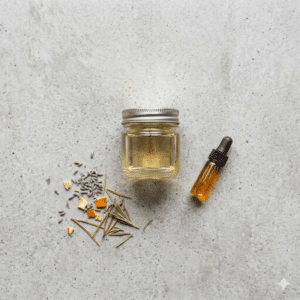 The trade-off for that purity is taste. The same heat that isolates cannabinoids also strips out the terpenes, the aromatic compounds that give each strain its smell and flavor, so raw distillate is close to odorless and flavorless.
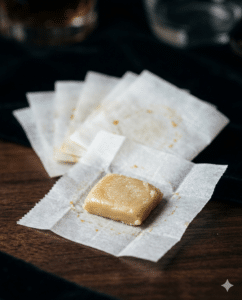 Because the flower is frozen fresh, live resin holds onto far more of the plant’s natural terpenes than distillate does. That higher terpene retention is exactly what gives live resin its bold, strain-accurate aroma and a flavor many users describe as closer to the living plant.