Free Shipping over $75 | Ships Out Same-Day | SAVE 30% STOREWIDE, CODE "HALLOWEEN30"
What Is Arnica, and Why Is It Used in Muscle Creams?
Key Takeaways
Arnica is a yellow flowering plant that has been used in rubs and creams for sore muscles for a very long time. It is applied to the skin only, and its reputation rests more on tradition than on settled research.
Arnica is a mountain flower whose extract is added to creams and gels meant for tired or sore muscles. It is used on the skin, never swallowed, and it is valued mainly for its long traditional reputation.
What Is Arnica?
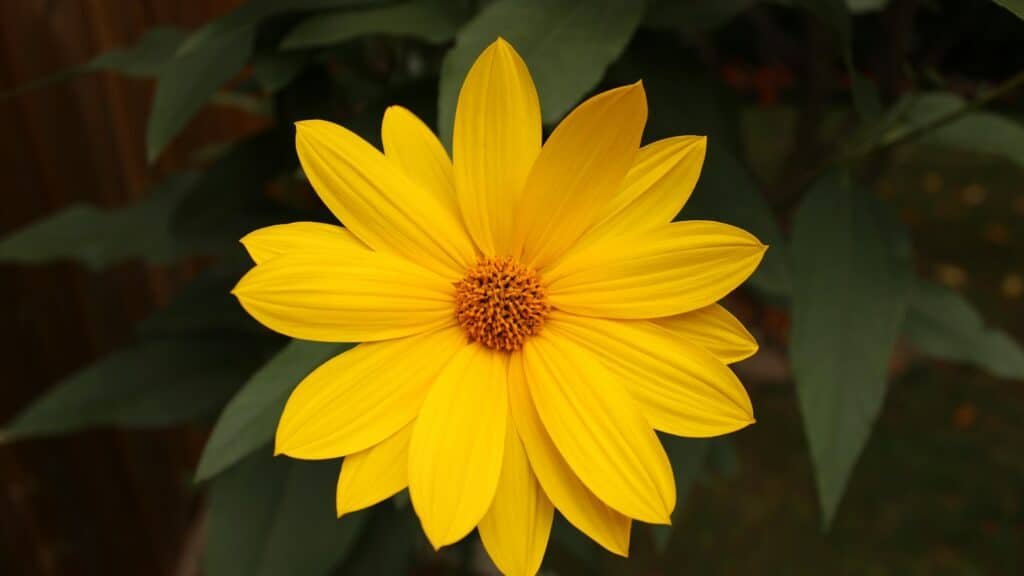
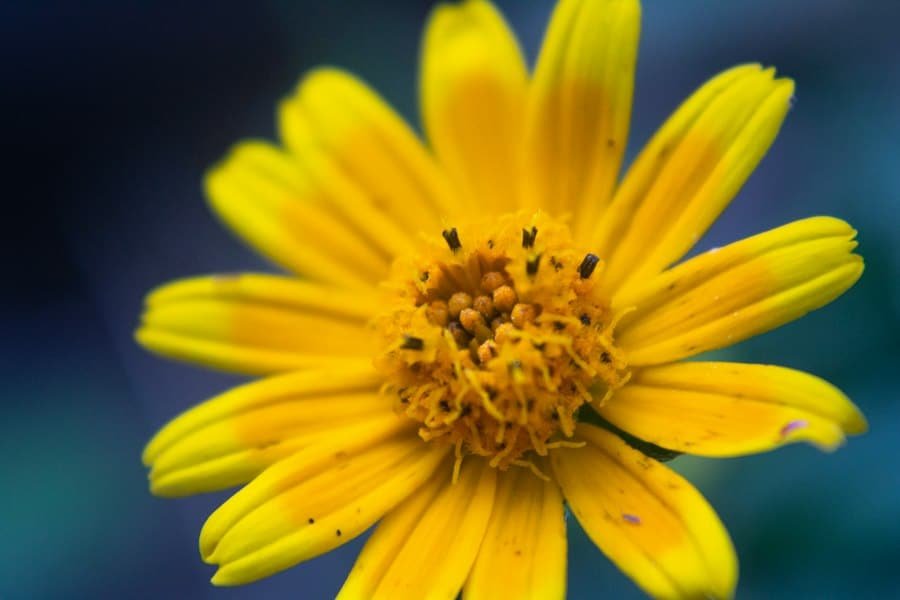
It is a bright yellow flower in the daisy family that grows in mountain regions.
The plant most often used is commonly called mountain arnica. Its flowers look a little like small, ragged sunflowers. They are harvested and made into an extract that goes into creams, gels and oils.
People in mountain regions of Europe have used it in home remedies for generations. That history is why you still find it in so many products aimed at walkers, athletes and anyone with a physical job.
Why Is Arnica Added to Muscle Creams?
Because of its traditional association with easing sore, overworked muscles and bumps.
Tradition is the main reason. Arnica has been rubbed onto aches and bruises for so long that it has become a standard ingredient. Modern studies exist, and their findings are mixed, so we would not claim it does anything in particular.
It also pairs naturally with other familiar ingredients. Many creams combine arnica with something cooling and something warming or numbing, so each plays a different part.
What people report is personal. Some swear by arnica after a long hike, and others notice little difference.
How Does Arnica Sit Alongside Other Cream Ingredients?
Each ingredient in a muscle cream tends to have its own role.
The table below shows how common ingredients are generally described. Our own Pain Cream lists arnica together with menthol, lidocaine and cannabinoids.
Ingredient
What it is
How it is generally described
Arnica
A flower extract
A traditional ingredient in muscle rubs
Menthol
Derived from mint
A cooling feel on the skin
Lidocaine
A common topical ingredient
A numbing sensation
CBD
A non-intoxicating cannabinoid
Widely used in topicals
Carrier base
The cream itself
Carries the other ingredients onto the skin
How Should You Use an Arnica Cream Safely?
Apply it to unbroken skin only, follow the label and never take it by mouth.
Arnica is for external use. It should not be swallowed, and it should not go on cuts, grazes or irritated skin. Keep it away from your eyes and wash your hands after applying.
People who are sensitive to plants in the daisy family sometimes react to arnica, so try a small patch first. Our guide to choosing a hemp topical explains how to compare creams more generally.
If you are pregnant or nursing, or you take medication, check with a doctor before using any new topical product.
What Should You Look for in a Cream That Contains Arnica?
A clear ingredient list, a lab report where cannabinoids are involved and a texture you will actually use.
Check where arnica sits in the ingredient list and what else is in the formula. If a cream contains cannabinoids, a third-party lab report should confirm them. Scent and feel matter too, since a product you dislike using will stay in the drawer.
A cream is not a substitute for medical care. Pain that is severe, lasts or follows an injury should be seen by a doctor.
The Pain Cream in the topical range at Pure Standard Extracts includes arnica and is third-party lab-tested. It also contains a THC-type cannabinoid, which matters if you are drug tested, so ask us for the lab report if you want to check before buying.
IMPORTANT DISCLAIMER: The information in this article is for educational purposes only and should not be construed as medical advice. Always consult a healthcare professional before using any hemp, CBD, or related products, especially if you have medical conditions, are pregnant or nursing, or take prescription medications. Pure Standard Extracts products contain ≤0.3% Δ9-THC and are intended for adult use (21+). Our products are not FDA-approved to diagnose, treat, cure, or prevent any disease.
Frequently Asked Questions
What is arnica used for?
It is traditionally added to creams and gels meant for sore muscles and bumps.
Is arnica a flower?
Yes. It is a yellow flowering plant in the daisy family that grows in mountain regions.
Can you swallow arnica cream?
No. Arnica creams are for external use only.
Can you put arnica on broken skin?
No. Use it on unbroken skin only, and keep it away from cuts and grazes.
Does arnica work?
It has a long traditional reputation, and research findings are mixed, so we make no claim either way.
Can arnica cause a skin reaction?
It can in some people, particularly those sensitive to the daisy family. Patch test first.
Why is arnica combined with menthol?
Each brings something different. Menthol gives a cooling feel, and arnica is the traditional muscle-rub ingredient.
Does the Pure Standard Extracts Pain Cream contain arnica?
Yes. It lists arnica together with menthol, lidocaine and cannabinoids.
Key Takeaways Hemp seed oil is pressed from the seeds of the hemp plant and is used as a food and skincare ingredient. CBD oil is made from the flowers and leaves, and it is the one that contains cannabinoids. Hemp seed oil comes from the seeds and is a
Key Takeaways Arnica is a yellow flowering plant that has been used in rubs and creams for sore muscles for a very long time. It is applied to the skin only, and its reputation rests more on tradition than on settled research. Arnica is a mountain flower whose extract is
Key Takeaways A dosing journal is a short record of what you took, when you took it and how you felt afterward. It replaces unreliable memory with something you can look back on, which is the quickest way to find what suits you. Keep one because memory is unreliable and